

Esoteric Eden

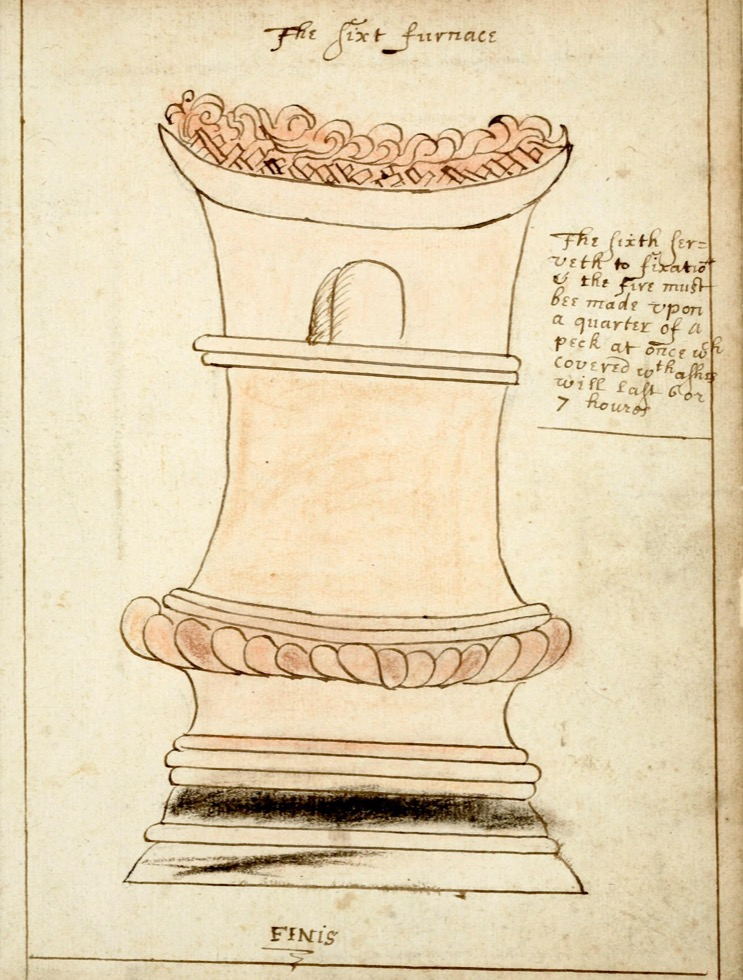
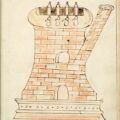
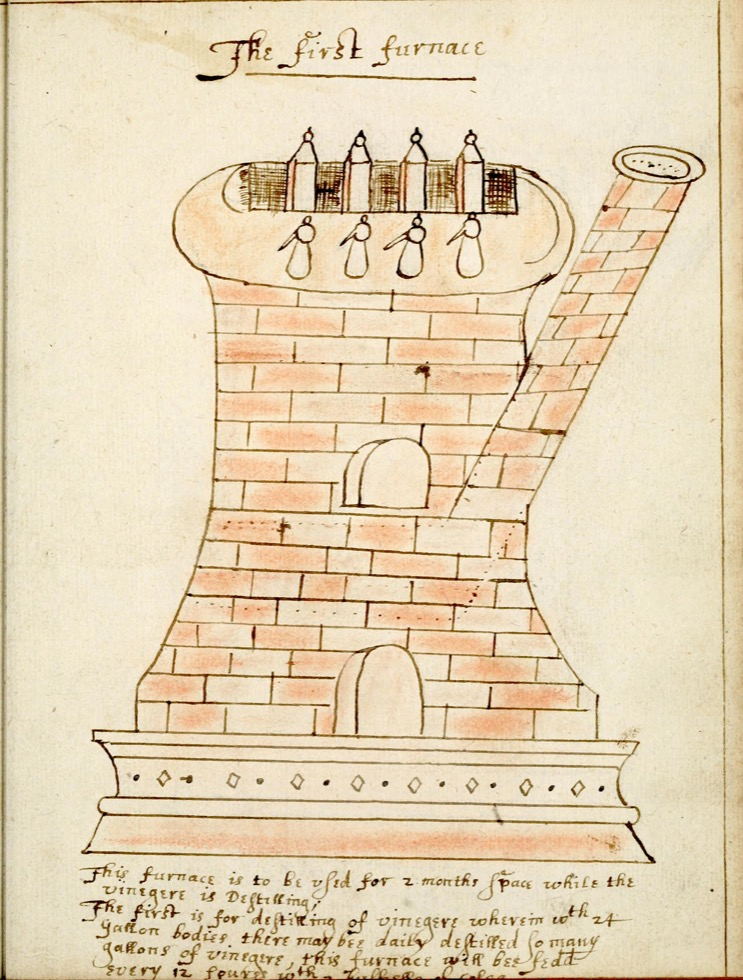
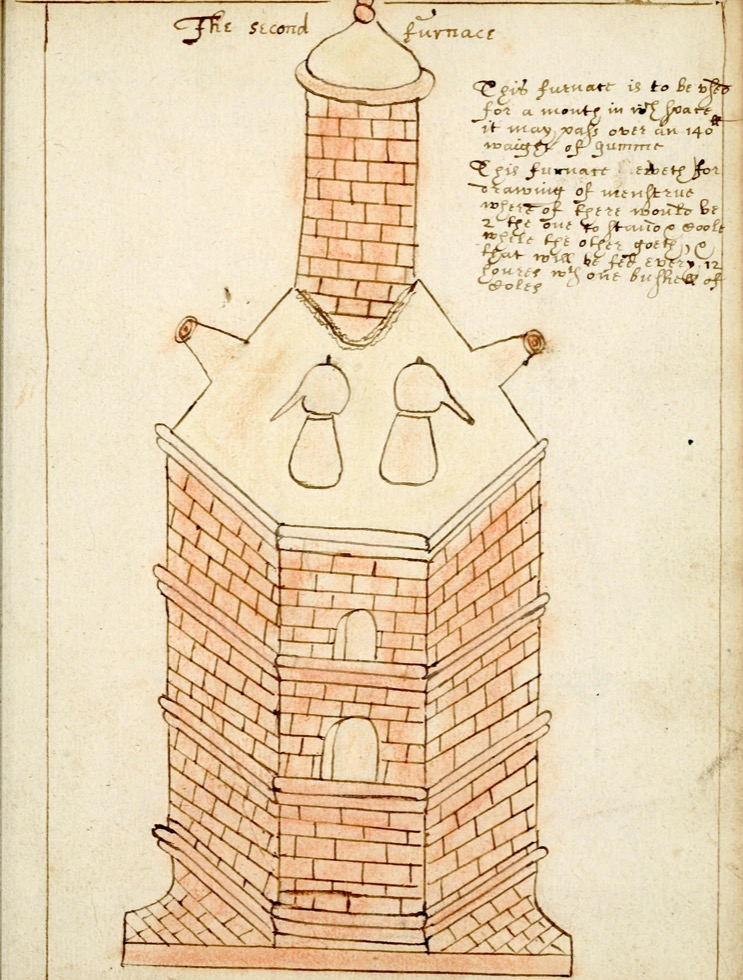
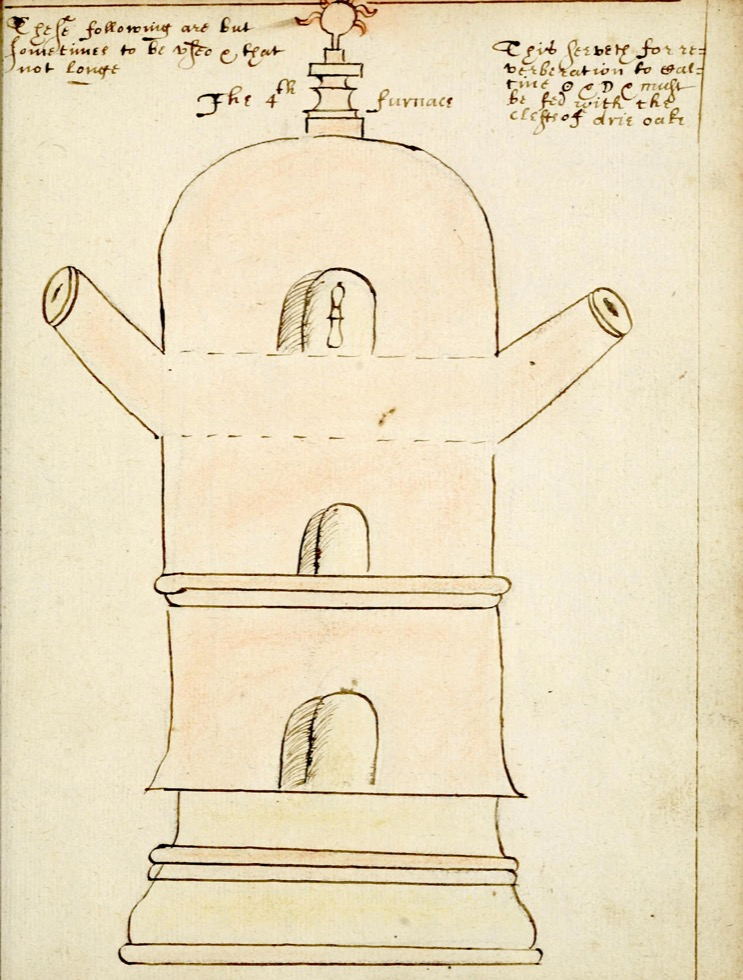
Diagrams of alchemical furnaces in The Key of Alchemy by Samuel Norton, 1577. I love how amateur these look, it’s from a handwritten manuscript, so perhaps they’re placeholder drawings. From Manly P. Hall’s collection of Alchemical Manuscripts. Box 18, MS102, v10
Permalink

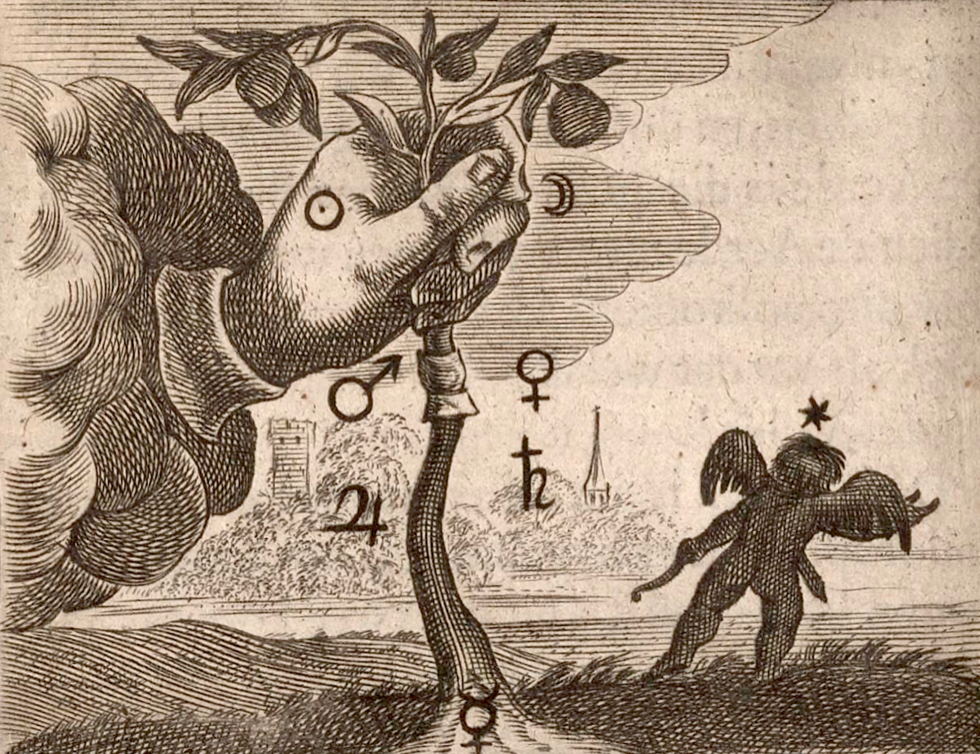
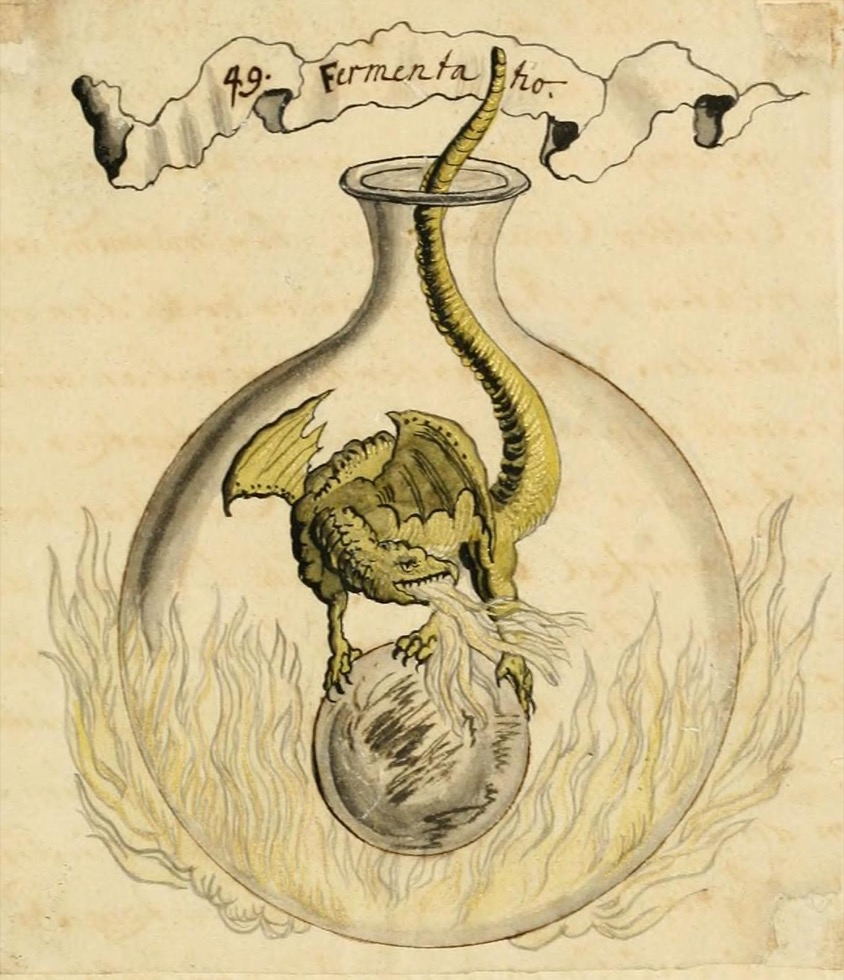
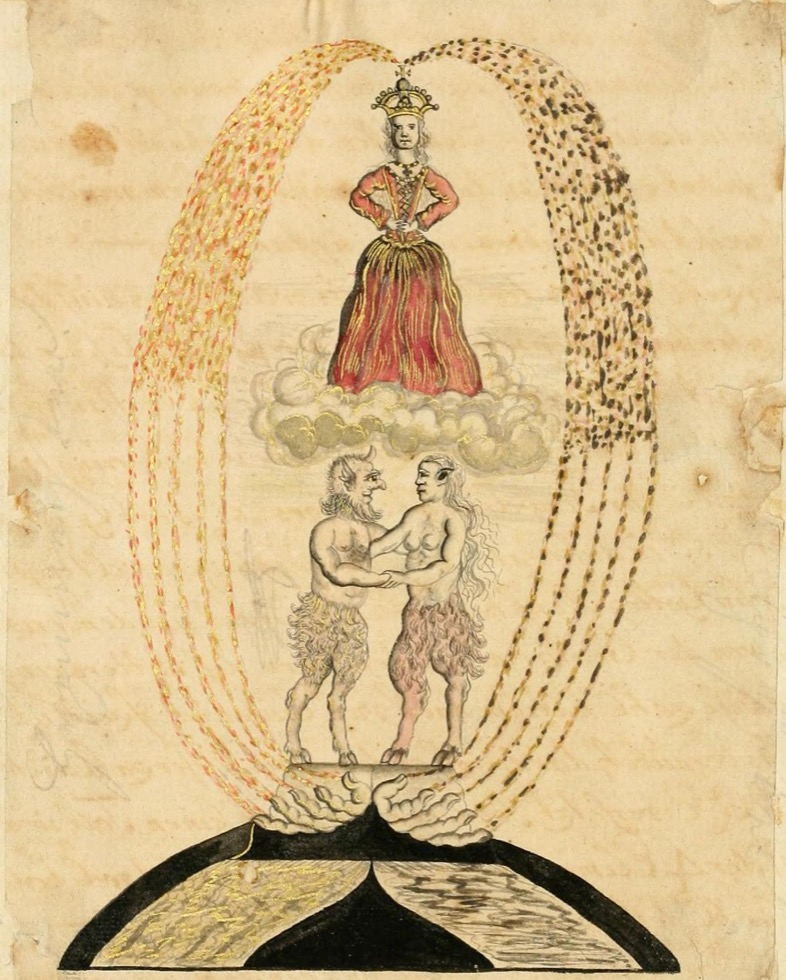
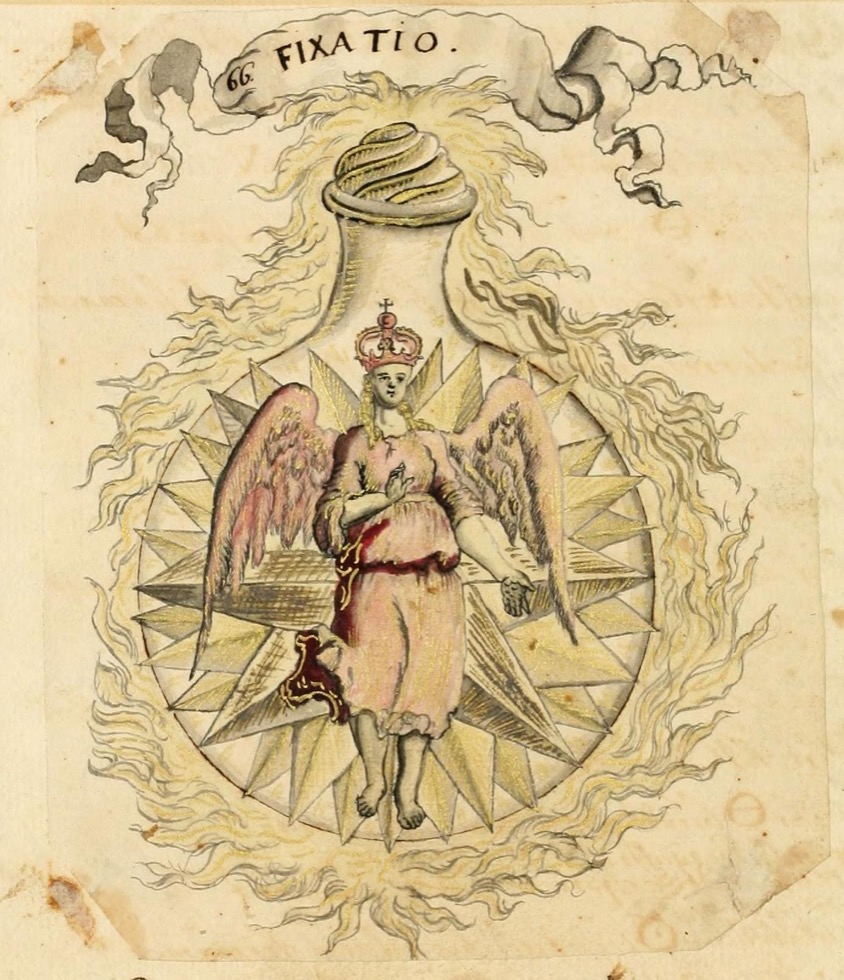
Emblems from Manly P. Hall’s collection of alchemical manuscripts, 1600, Box 4, MS 19. From: archive.org


πŸ“– Purchase Book (affiliate link, free digital version linked above)

Permalink

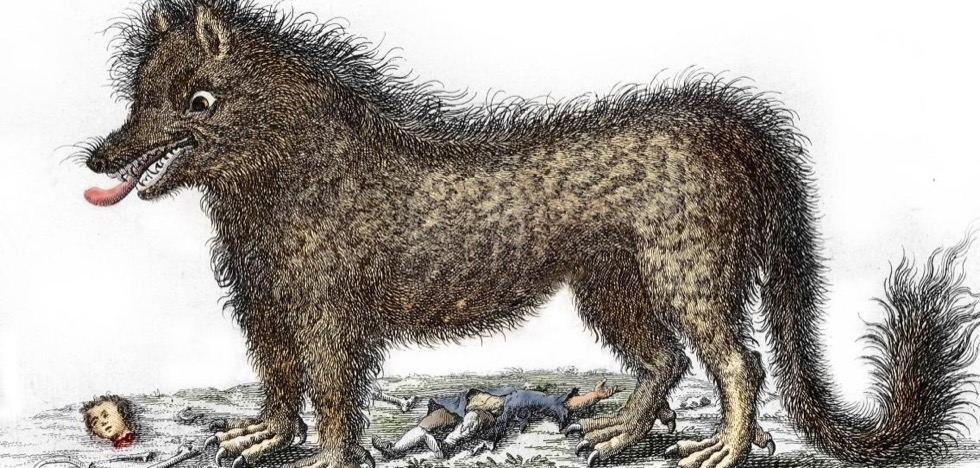
The Beast of GΓ©vaudan was a man-eating creature, sometimes identified as a wolf-dog hybrid, that attacked and killed citizens of GΓ©vaudan, France in the late 18th century. Over 600 attacks were recorded, some victims having their throats torn out. Image: Gallica Digital Library
Permalink

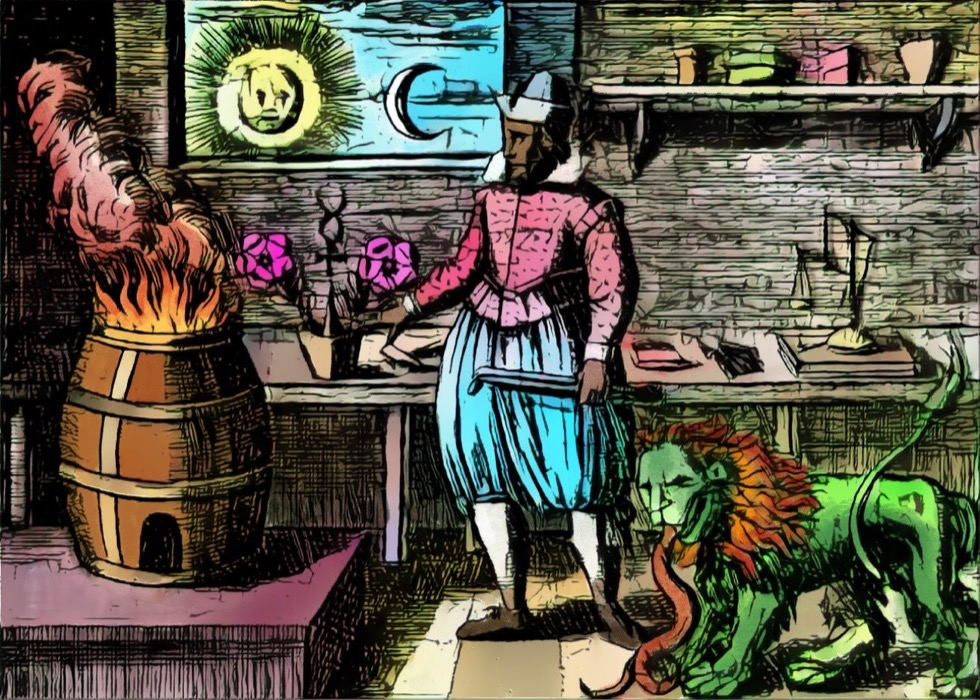
Depiction of an alchemist’s lab from Alchemy, Its Science and Romance, John Edward Mercer, 1921. Image processed and colorized by Eve Harms. Original source: archive.org

Permalink

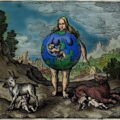
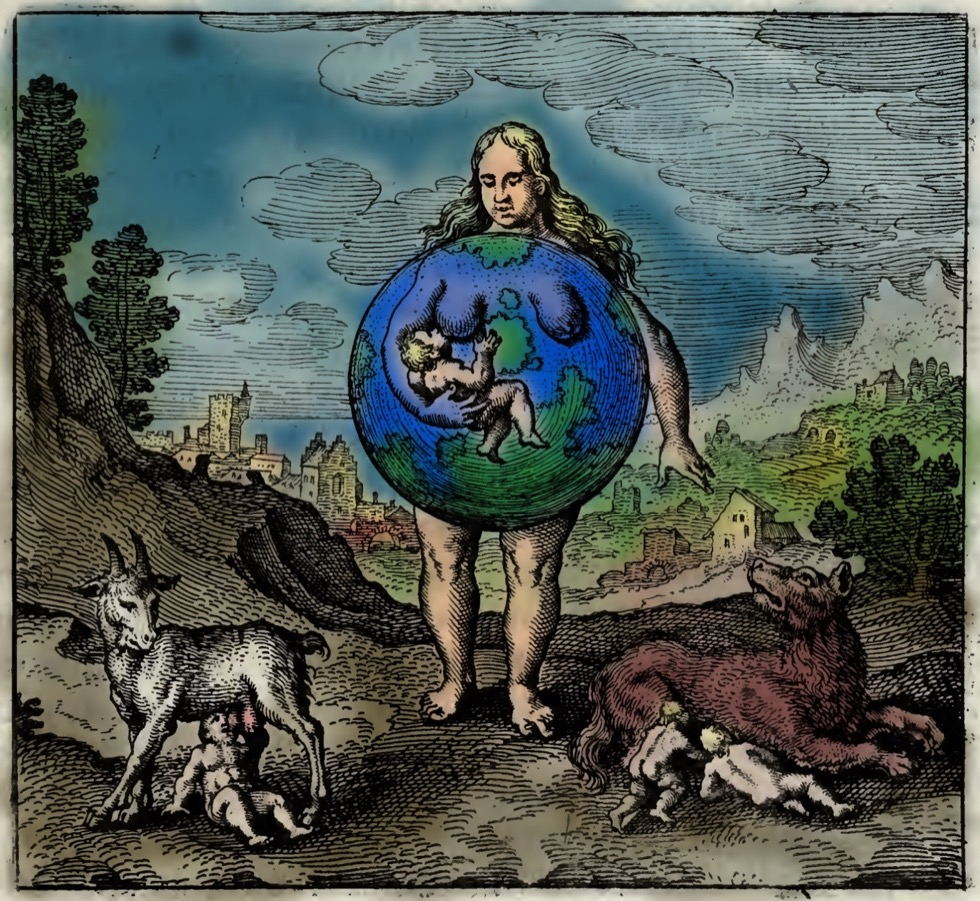
Alchemical emblem 2, Atalanta Fugiens, Michael Maier, 1618. Depicted on bottom: Romulus nursed by a wolf and Jupiter nursed by a goat. The “Child of the Philosophers”, referring to either the Philosopher’s Stone or alchemist themself, nurses from the Earth Mother. Colorized by Eve Harms, CC0. Source: archive.org


πŸ“– Purchase Book (affiliate link, free digital version linked above)

Permalink

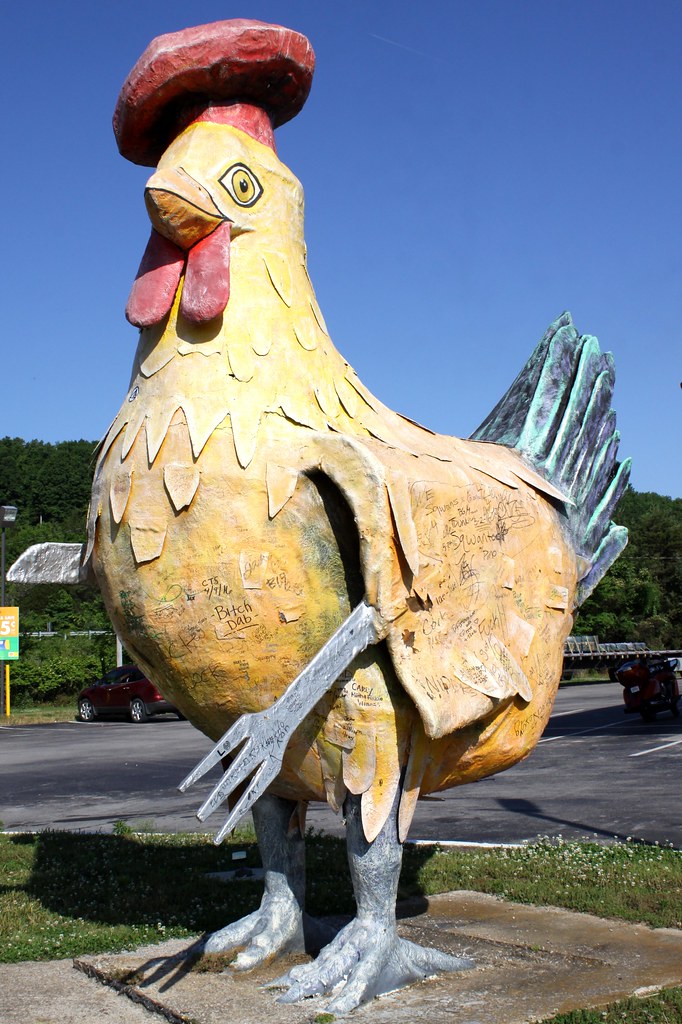
A superstition of the American South: the first person who walks into your house on New Year’s Day will be like your chickens that year. If fat, the chickens will be fat, and vice versa. From North Carolina Folklore Journal, July 1966 Issue. Image: Brent Moore via Flickr CC-BY-NC

Permalink

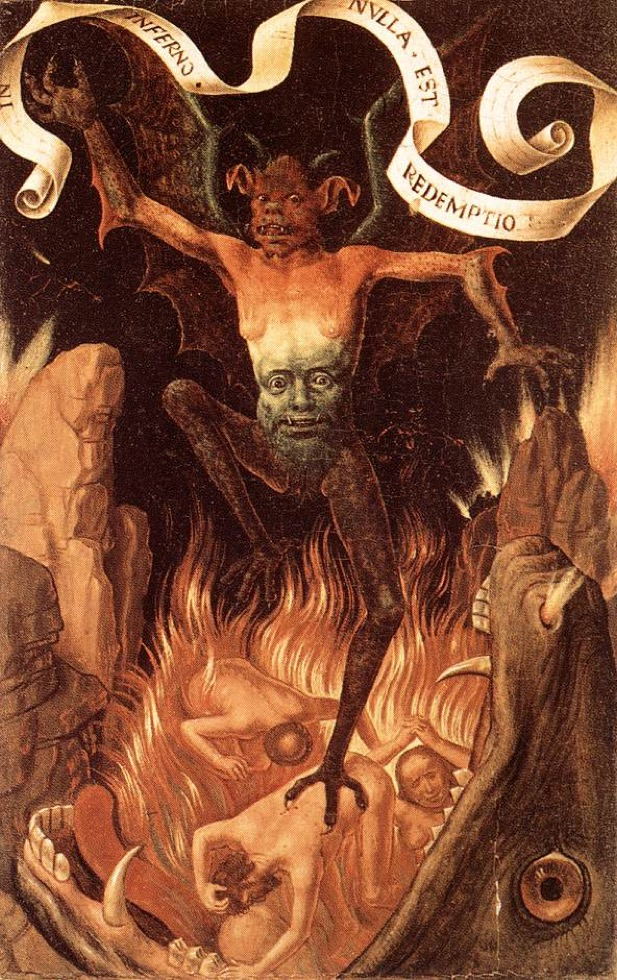
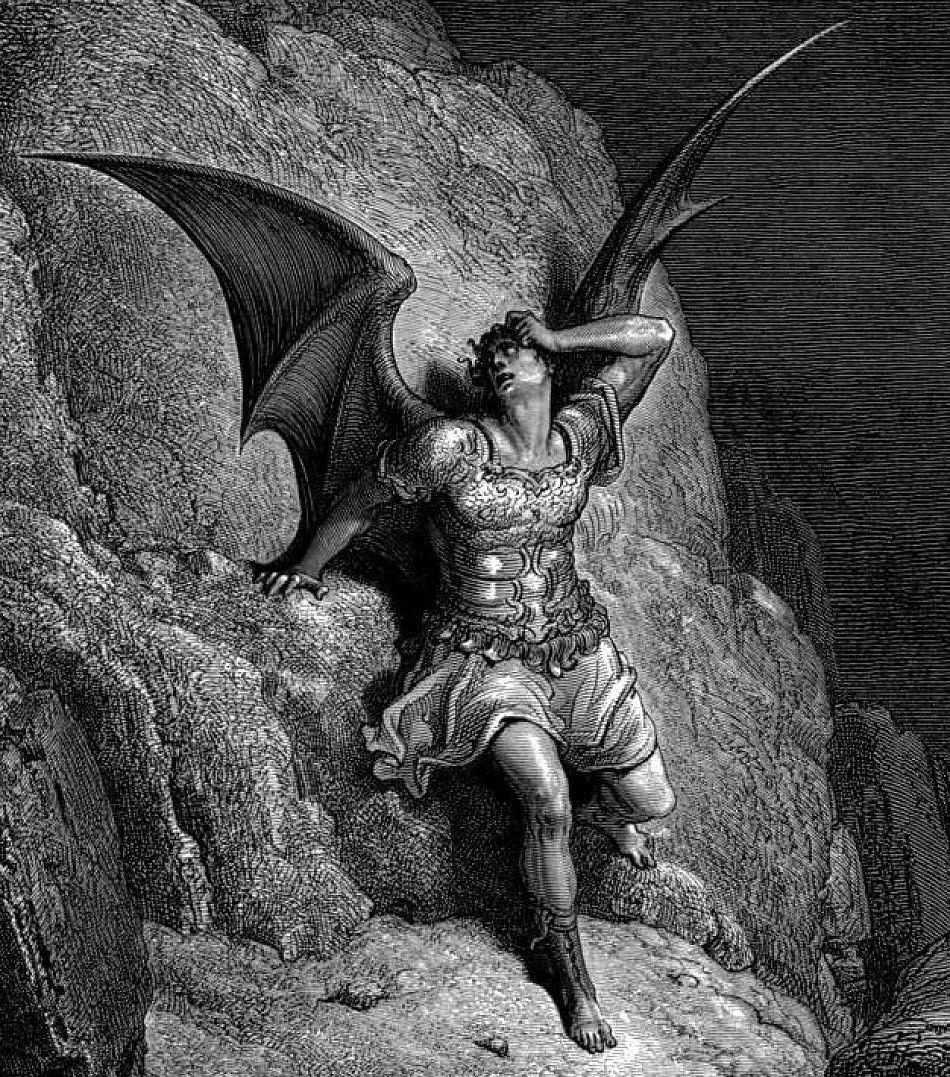
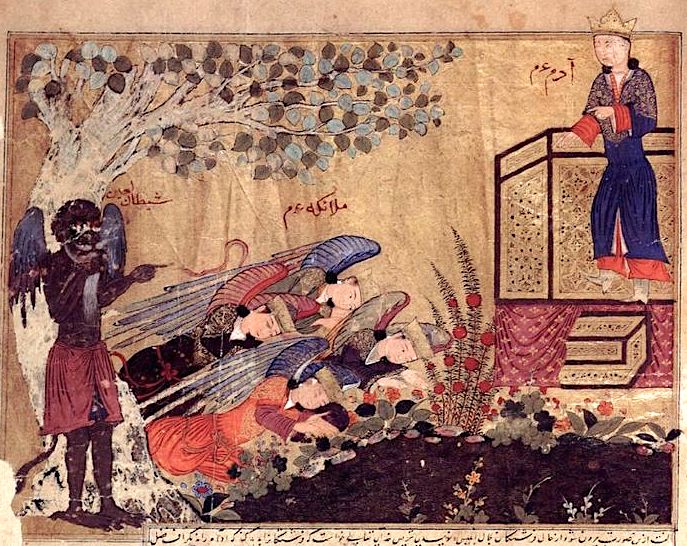
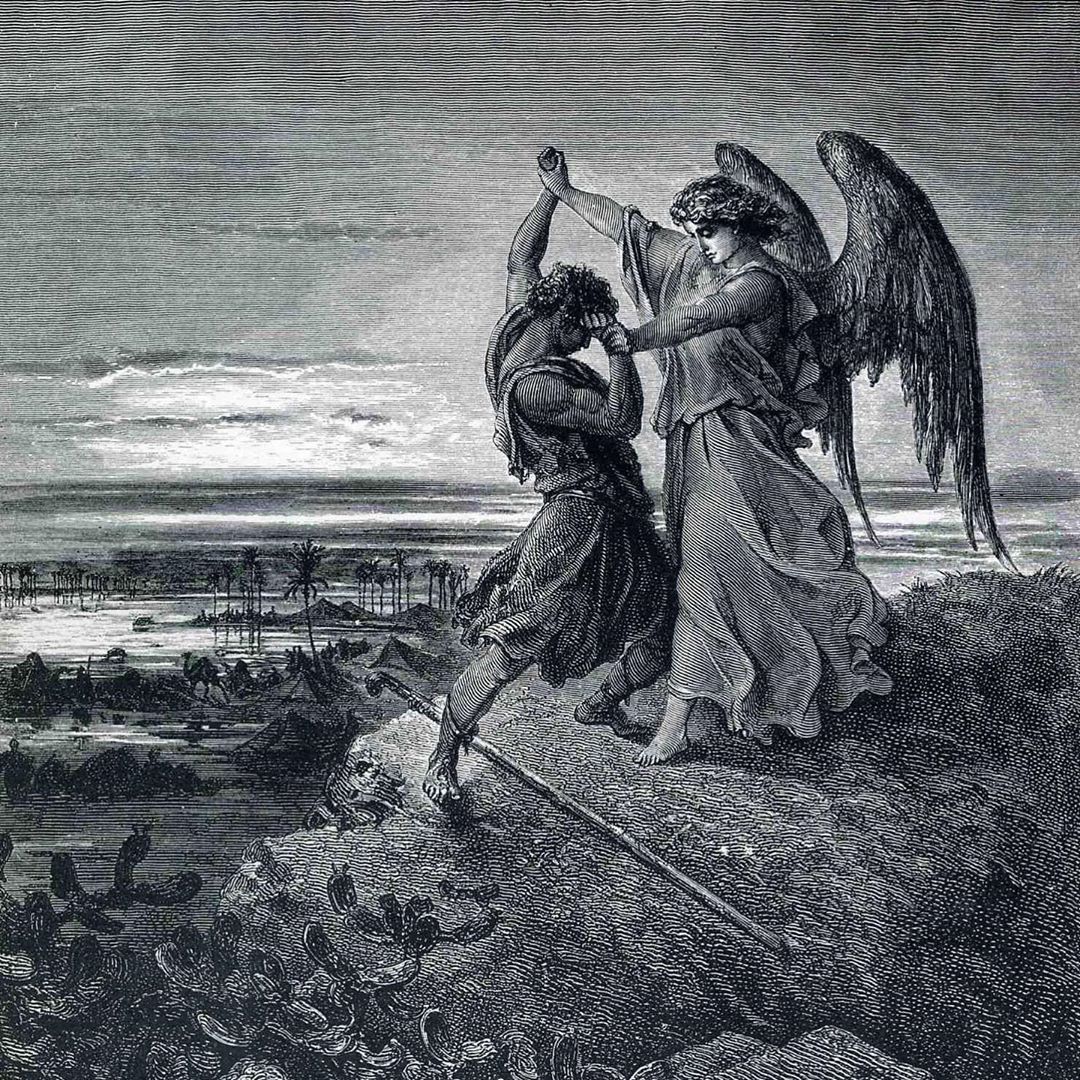
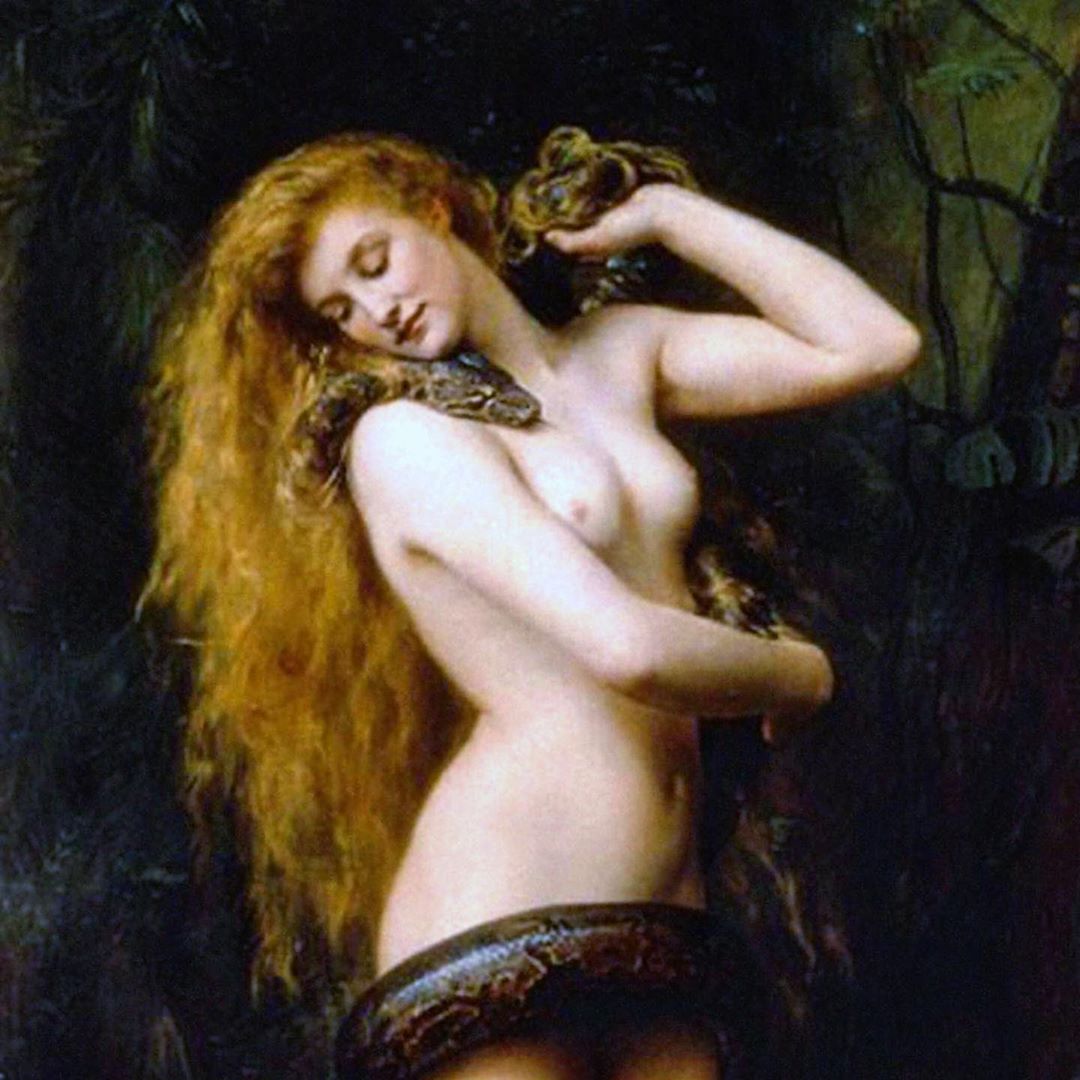
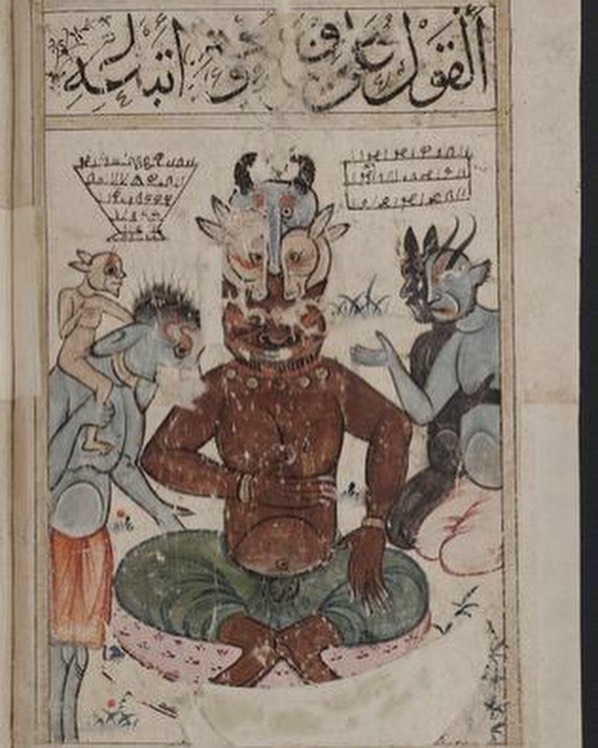
The Adversary is an archetype found across cultures, manifesting as figures such as Satan, the Devil, Iblis, Mephistopheles, and Samael. Sometimes depicted as separate from God and other times an agent of them, this figure represents the inclination of evil in humanity.

Images: Hell, Hans Memling, 1485 | Satan, Gustave DorΓ©, in John Milton’s Paradise Lost, 1866 | Adam and the Angels watched by Iblis, AbΕ« JaΚΏfar MuαΈ₯ammad ibn JarΔ«r al-αΉ¬abarΔ«, 1415 | Jacob Wrestles with the Angel Samael, Gustave DorΓ©, 1855

Permalink

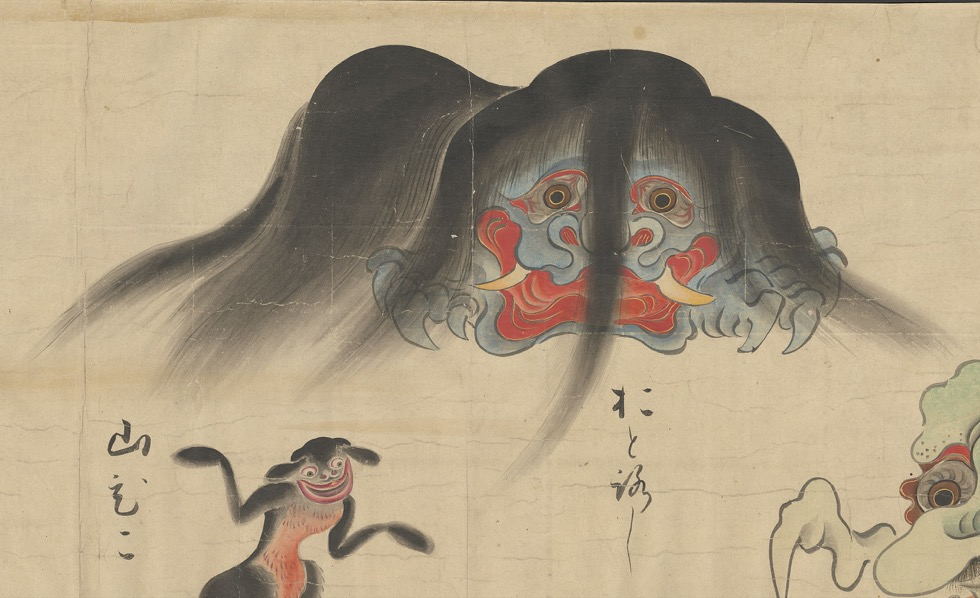
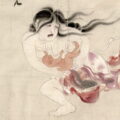
Ubume is a yokai that’s a ghost of a pregnant woman. She appears as a woman carrying a baby who hands the child off before vanishing. The recipient soon finds the baby is actually a heavy rock or bundle of leaves. To prevent women from becoming Ubume, their unborn child was removed and placed beside them in their grave. From Bakemono No E

Permalink

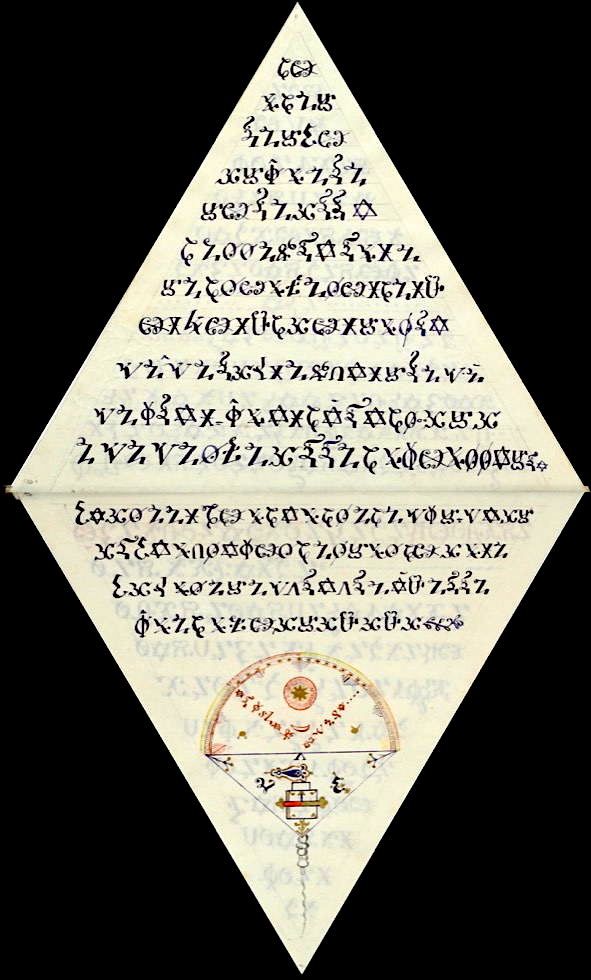
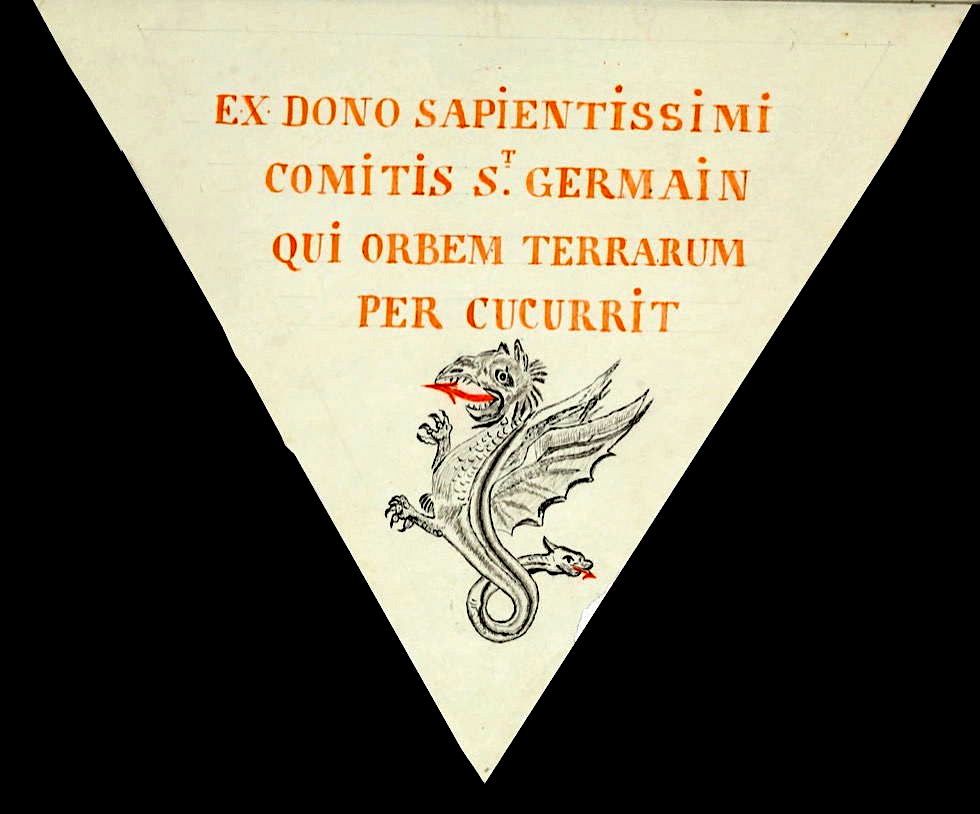
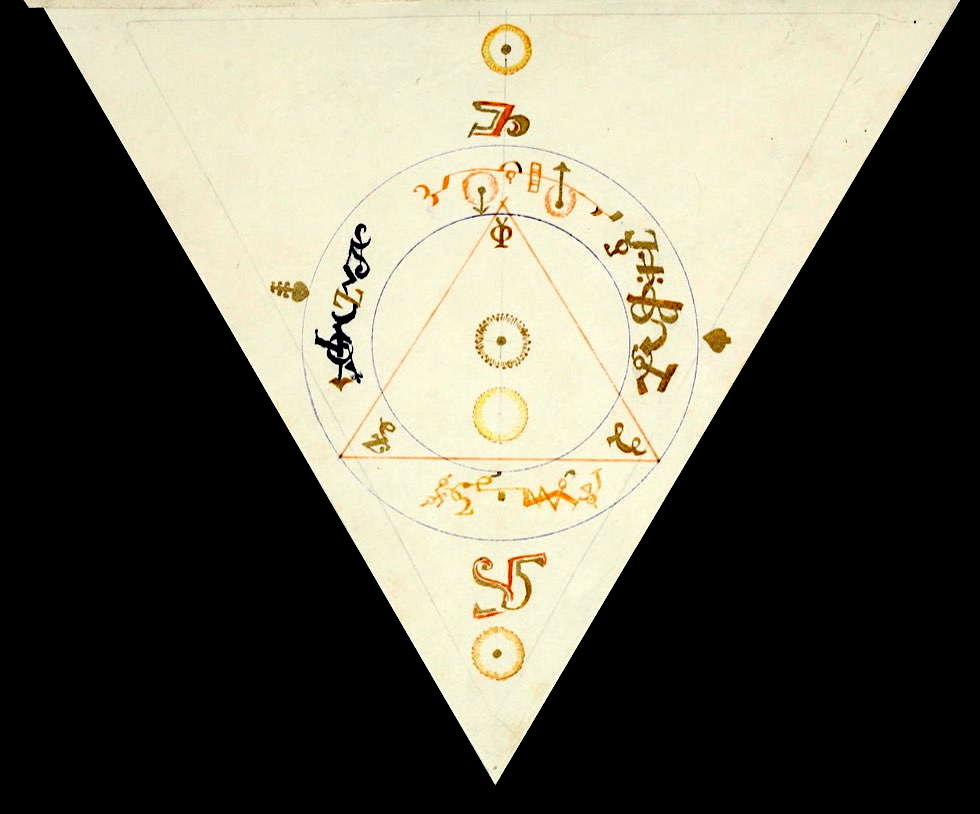
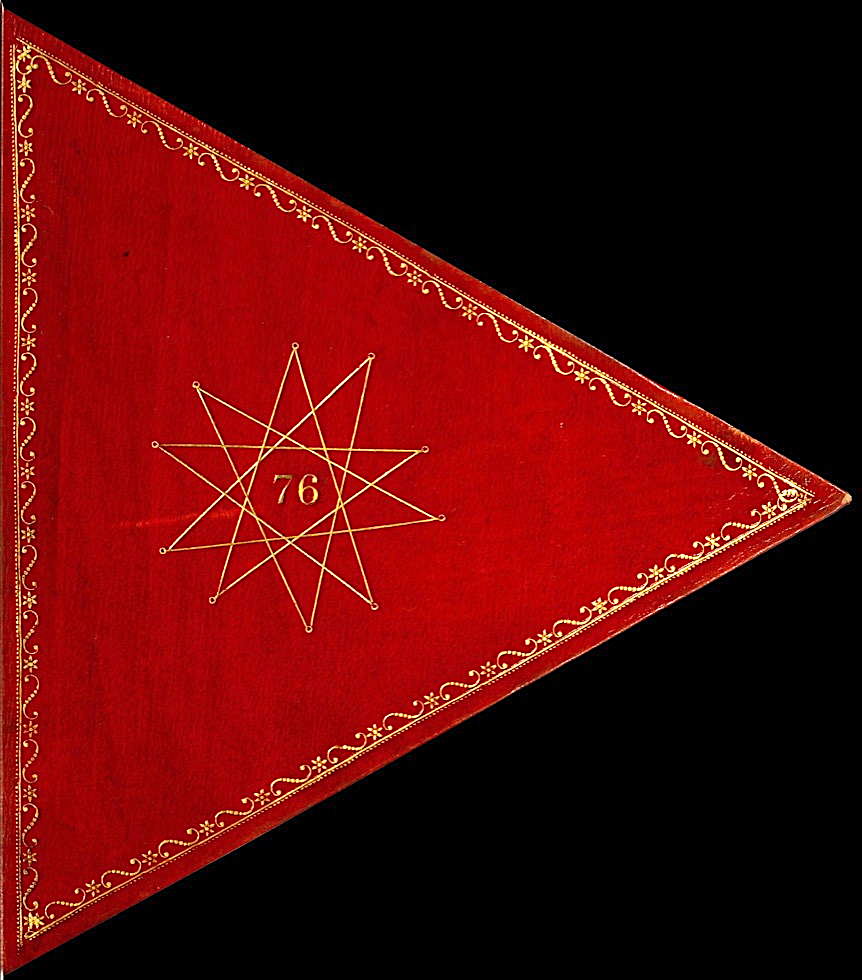
The Triangular Book of St. Germain Is a French manuscript written in code. When deciphered, it gives instructions on how to use magic to locate treasure and prolong your life, which requires a special amulet. The shape is thought to ensure the spirits called will be honest and dutiful. From Manly P. Hall’s collection of Alchemical Manuscripts, Box 34 MS. 209, 1750.

Permalink

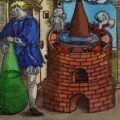
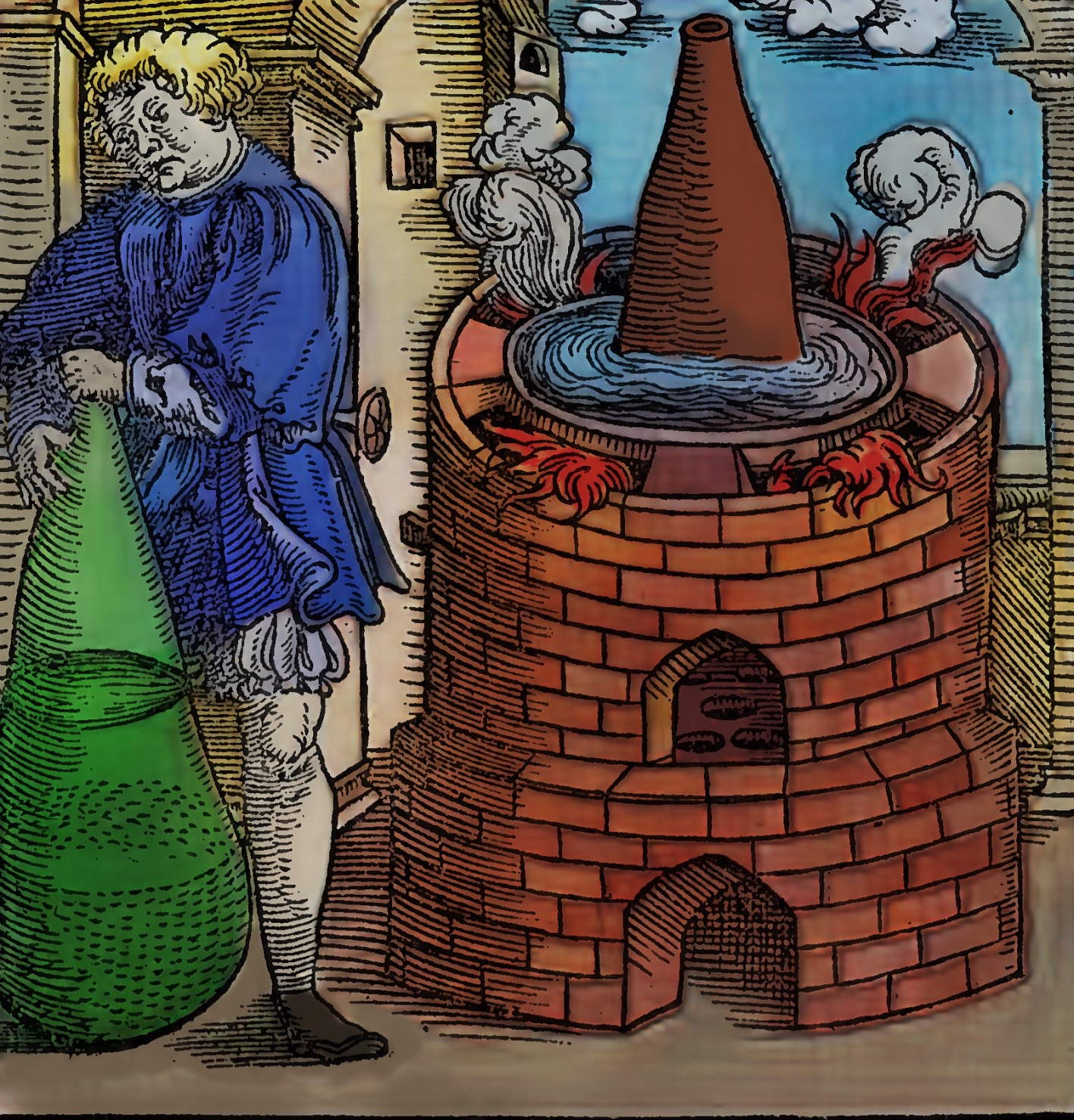
An alchemist next to their athanor, the furnace used to create slow and steady heat for alchemical digestion. Also known as the Philosophical furnace, Slow Henry (Piger Henricus), Furnace of Arcana, and the Tower furnace. From Alchemy: Ancient and Modern by H. Stanley Redgrove, 1911. Colorized by Eve Harms. Licensed under CC0


πŸ“– Purchase Book (affiliate link, free digital version linked above)

Permalink

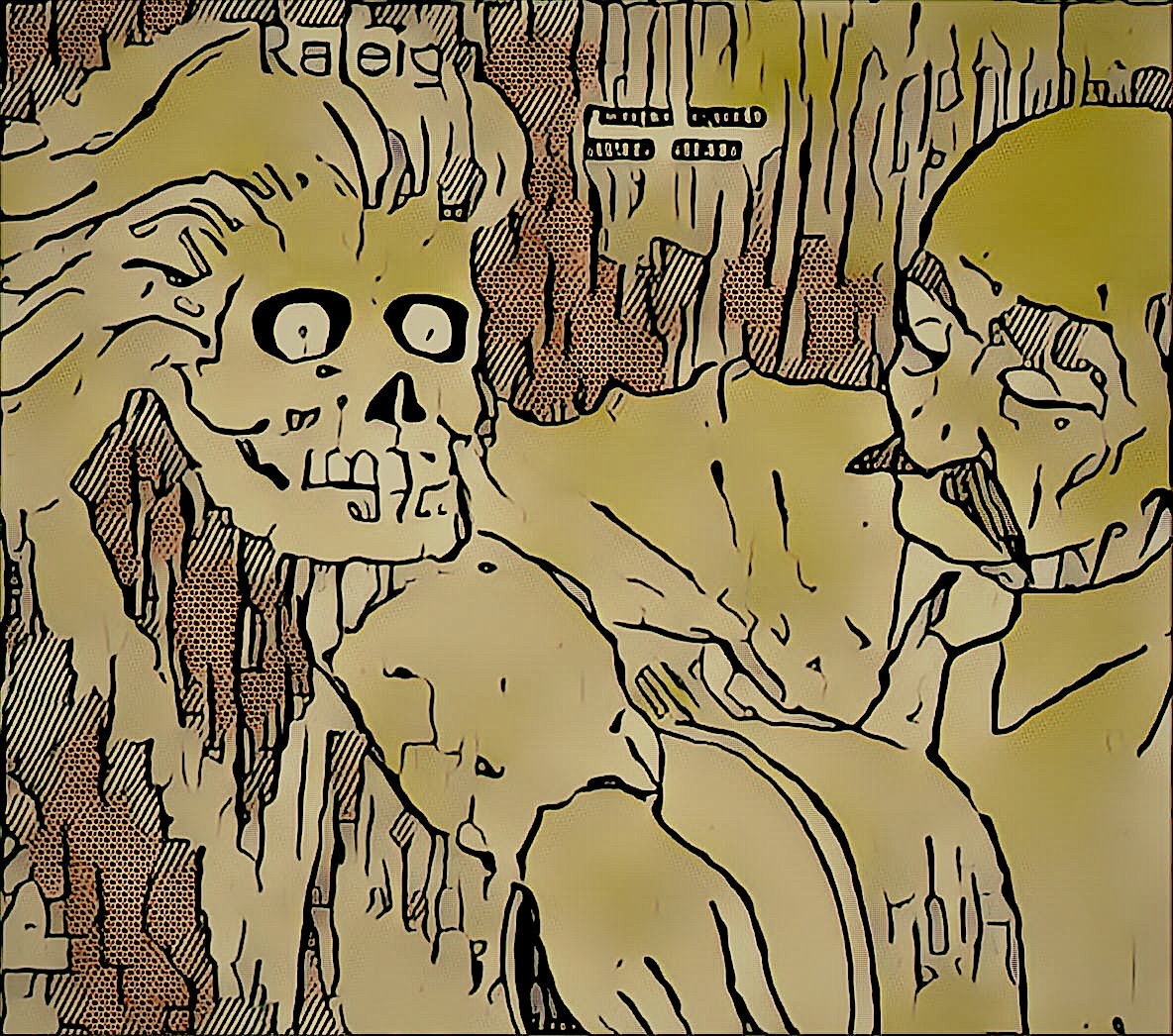
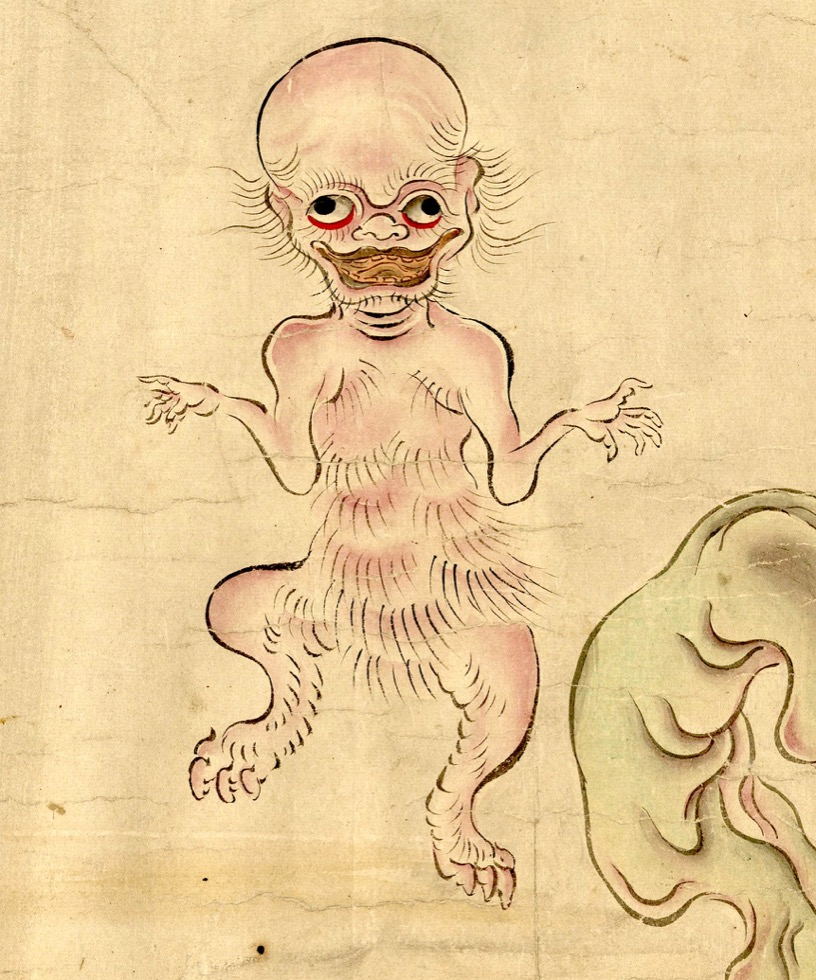
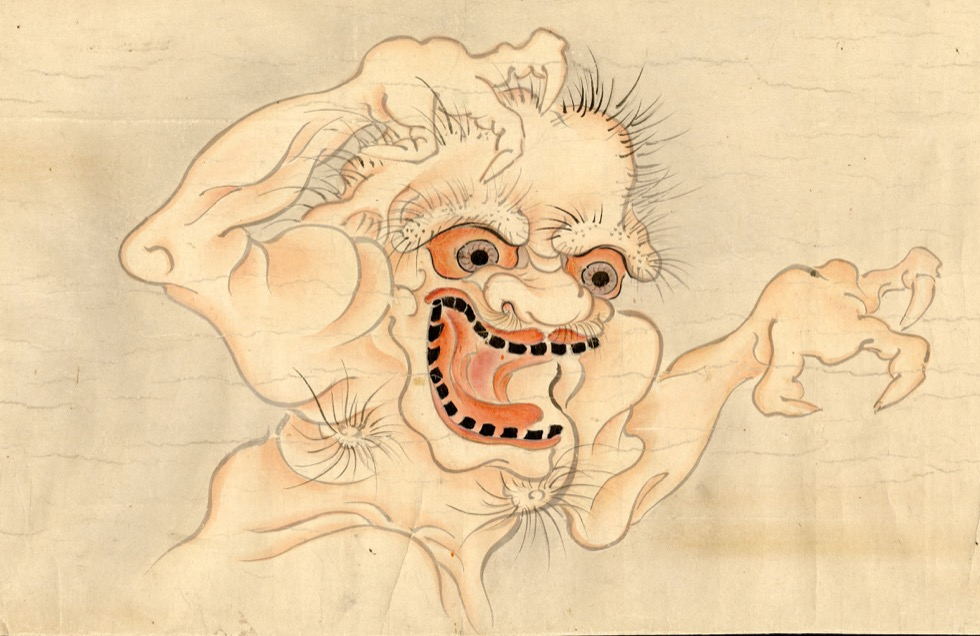
Uwan is a yokai who loudly says its own name (like a pokemon) with a disembodied voice, causing people to lose sleep. Teeth blackening was popular among noblemen and the warrior class in medieval Japan, so his black teeth may signify that he was originally one of them. From: Bakemono No E, 18th century

Permalink

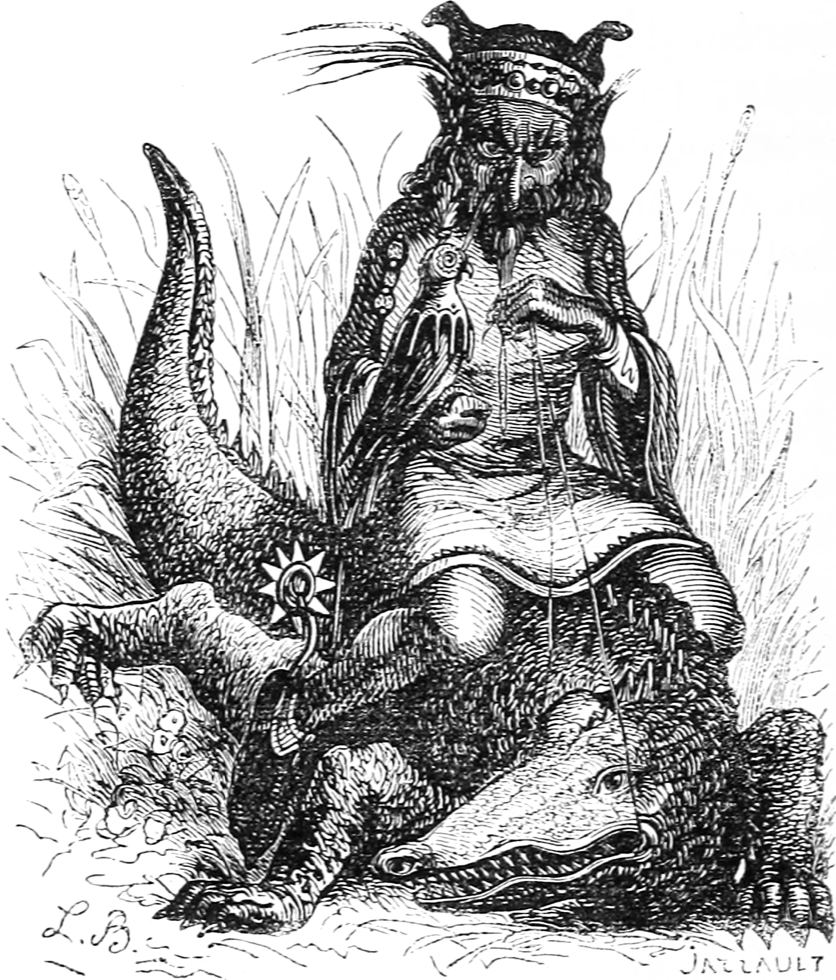
Agares is an infernal duke who commands 31 legions of lesser demons. When he appears, he rides a crocodile and carries a hawk. He teaches languages, finds runaways, causes earthquakes, and grants noble titles. Image: Dictionnaire Infernal, 1863


πŸ“– Purchase Book (affiliate link, free digital version linked above)

Permalink