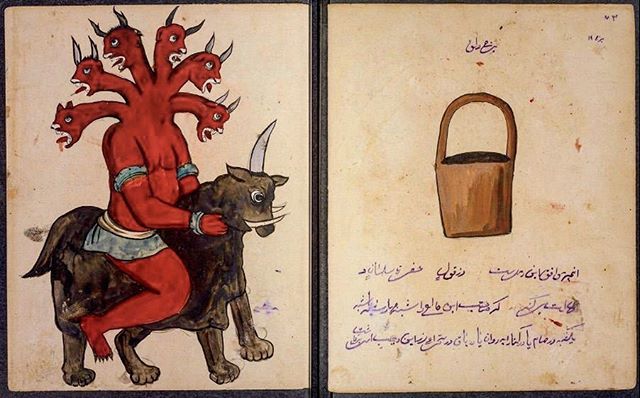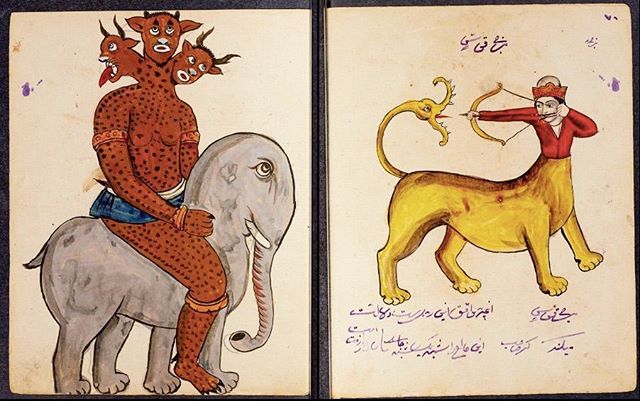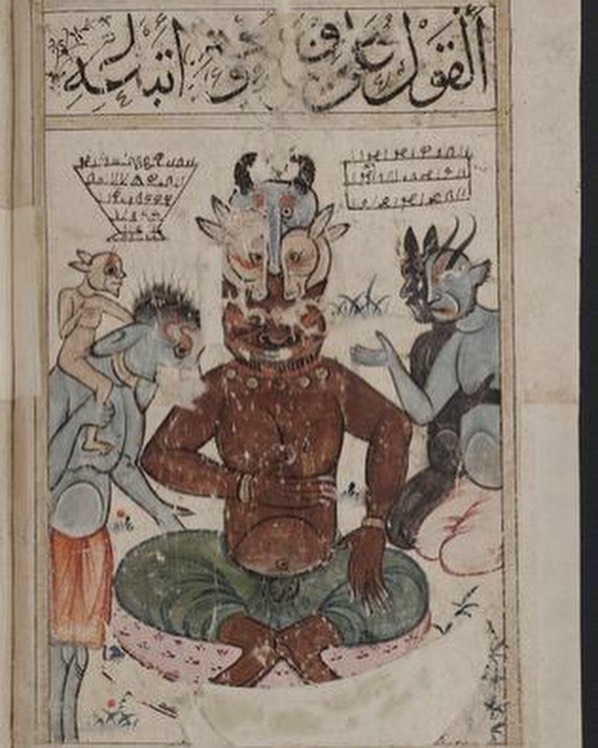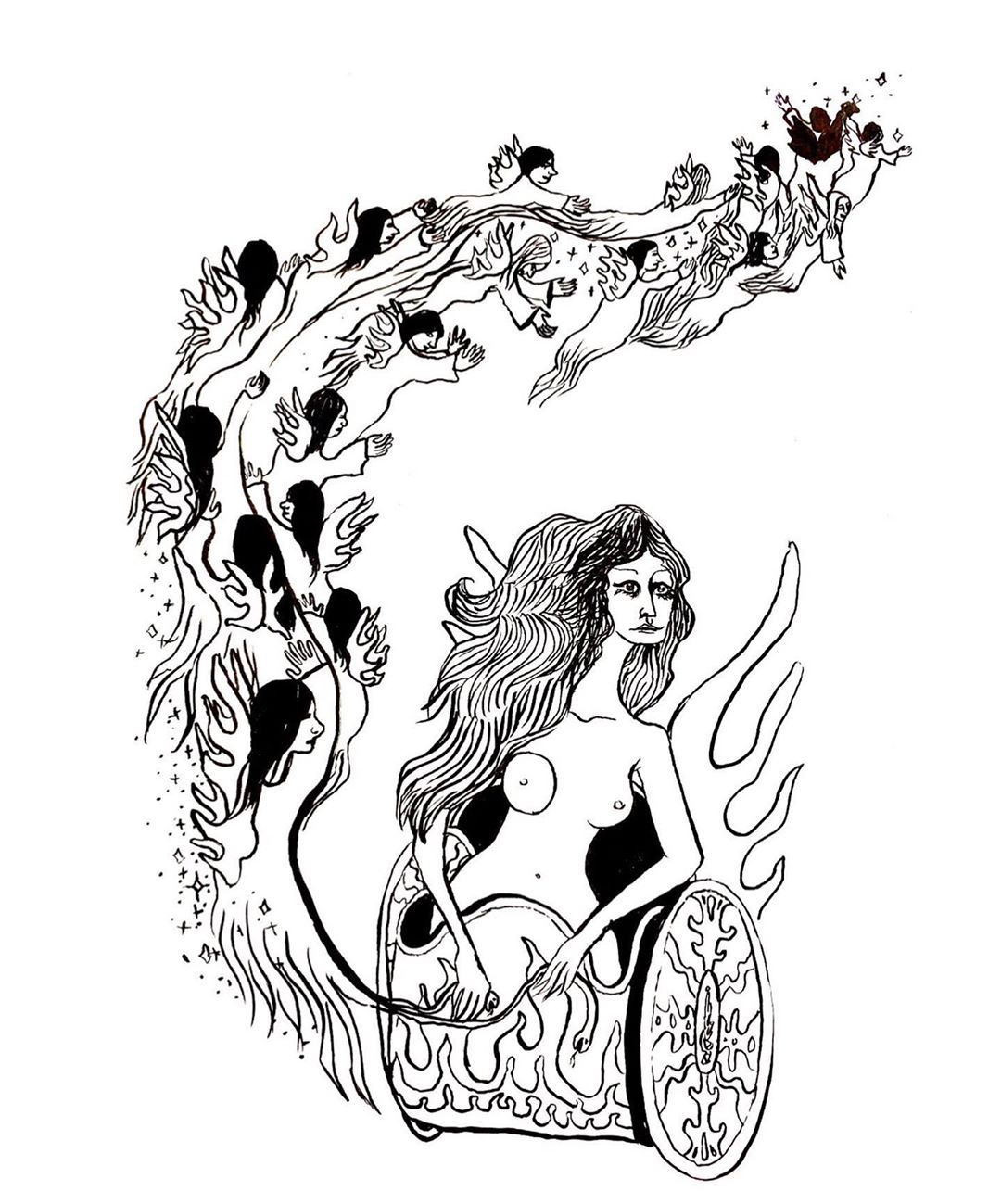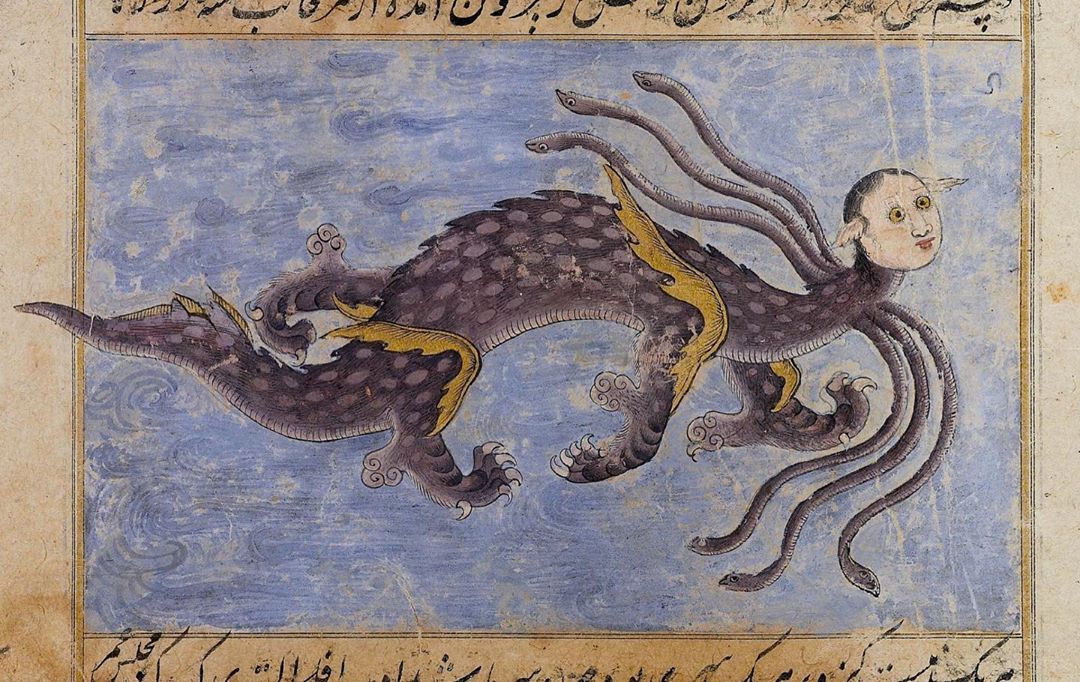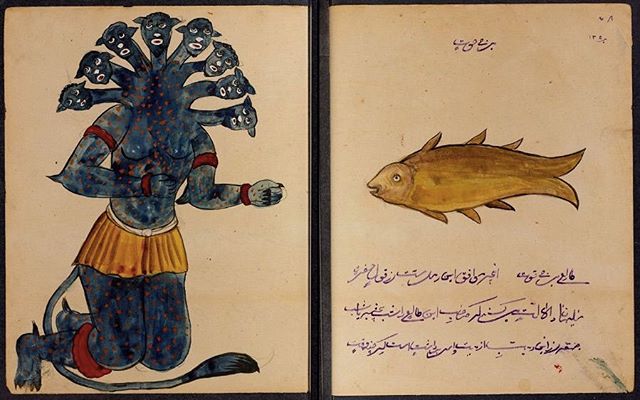
Jinn associated with the zodiac sign Pisces. From Kitāb-i ʻAjāʾib-i makhlūqāt (The Book of Wonders and Creatures), 1921.



Jinn associated with the zodiac sign Pisces. From Kitāb-i ʻAjāʾib-i makhlūqāt (The Book of Wonders and Creatures), 1921.
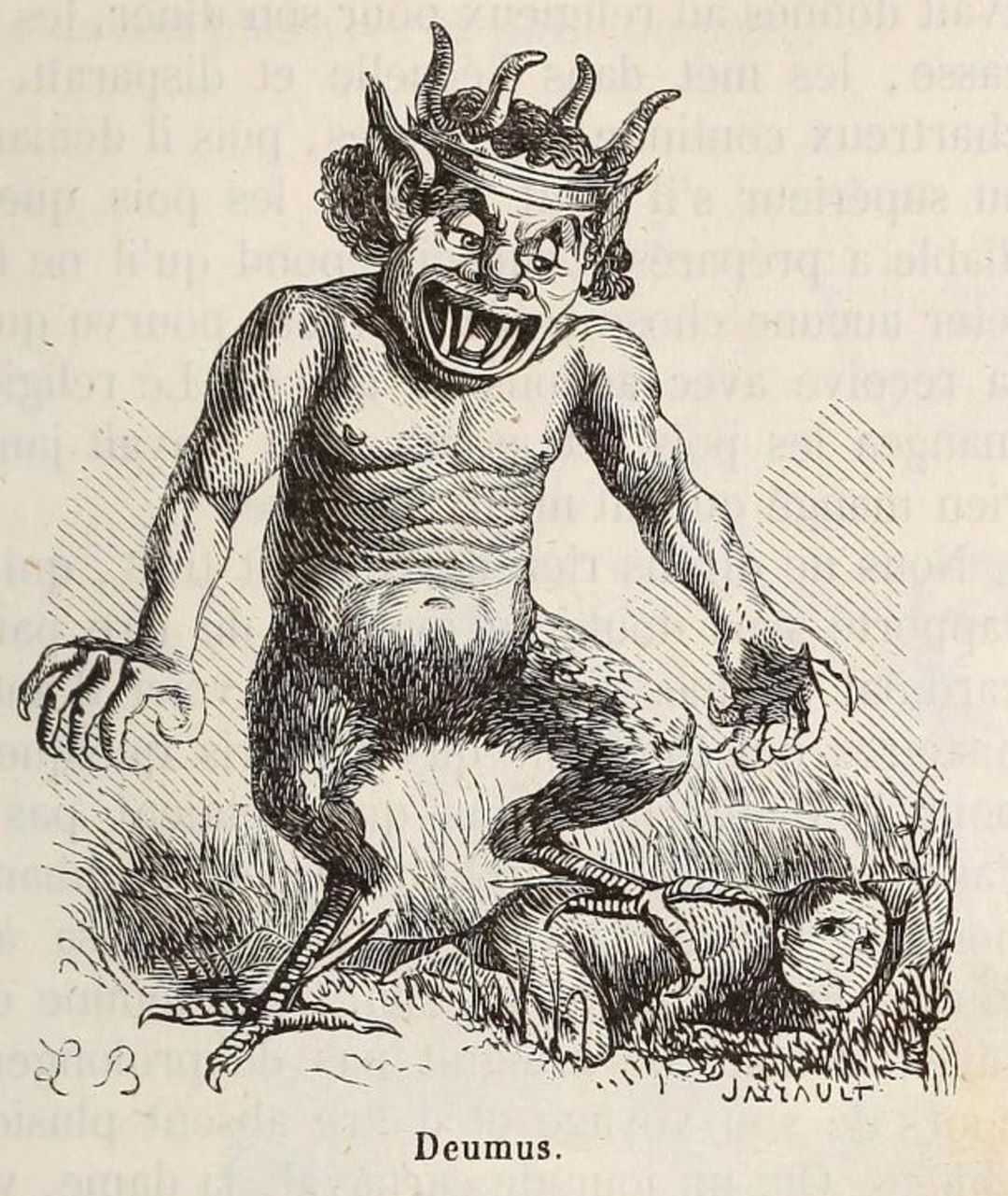
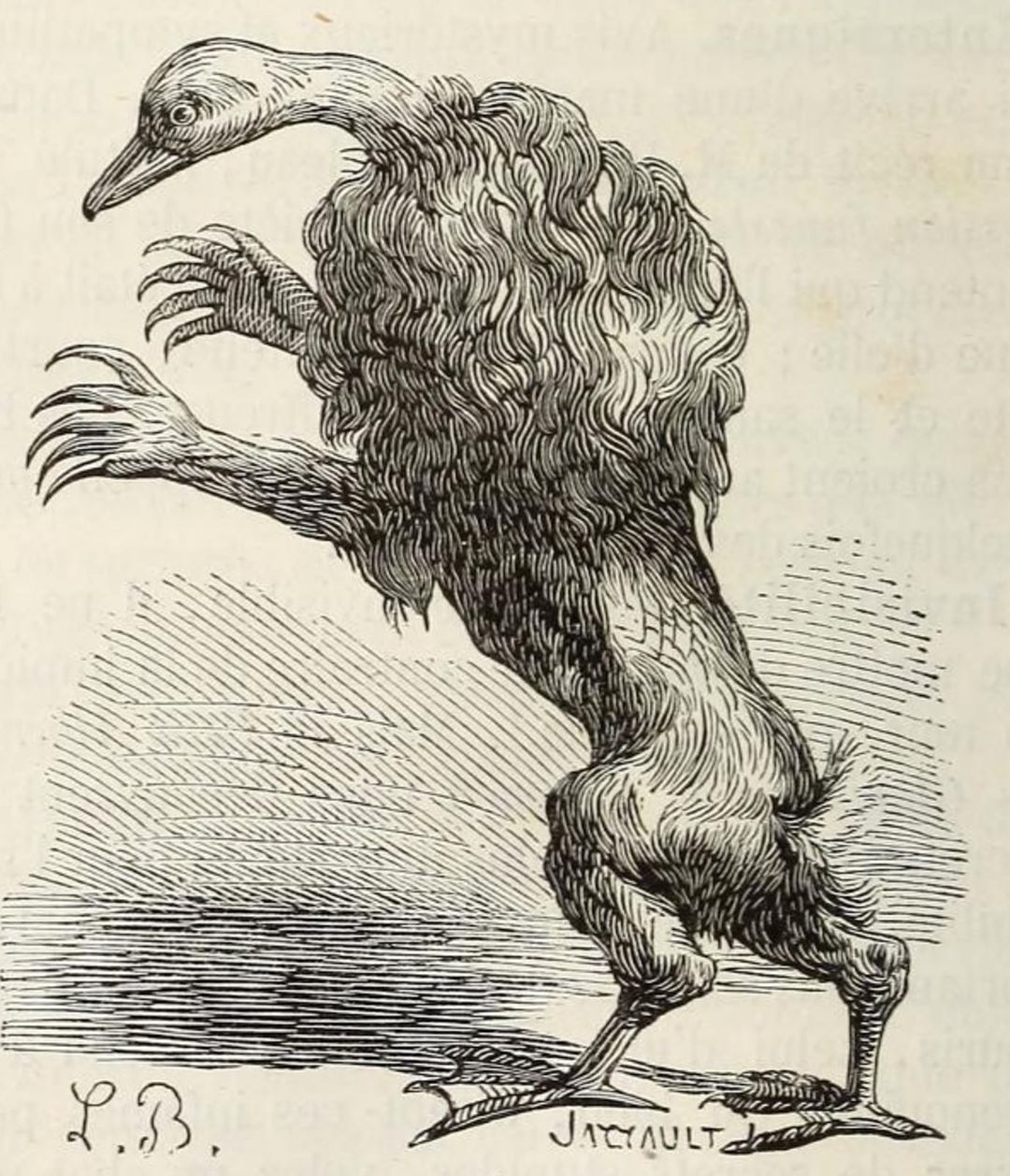
Deumus (Deumo) is originally a goddess of the Calicut in Malabar. She wears a crown, has four horns, and four long sharp teeth. She has the feet of a rooster, and appears with a soul to snack on if she wishes. From Dictionnaire Infernal, 1863.
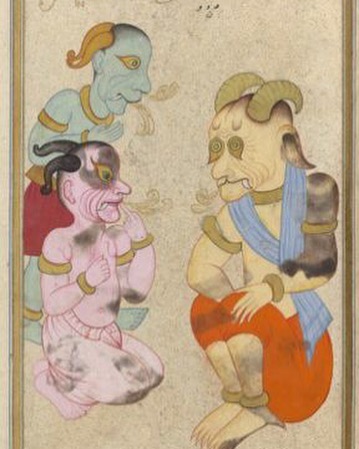
Al-Abyad, the White King, rules over Monday, the moon, the color white, and the metal silver. He is monitored by the angel Gabriel. He’s said to be closest to Iblis (Satan). The Book of Felicity,1582.
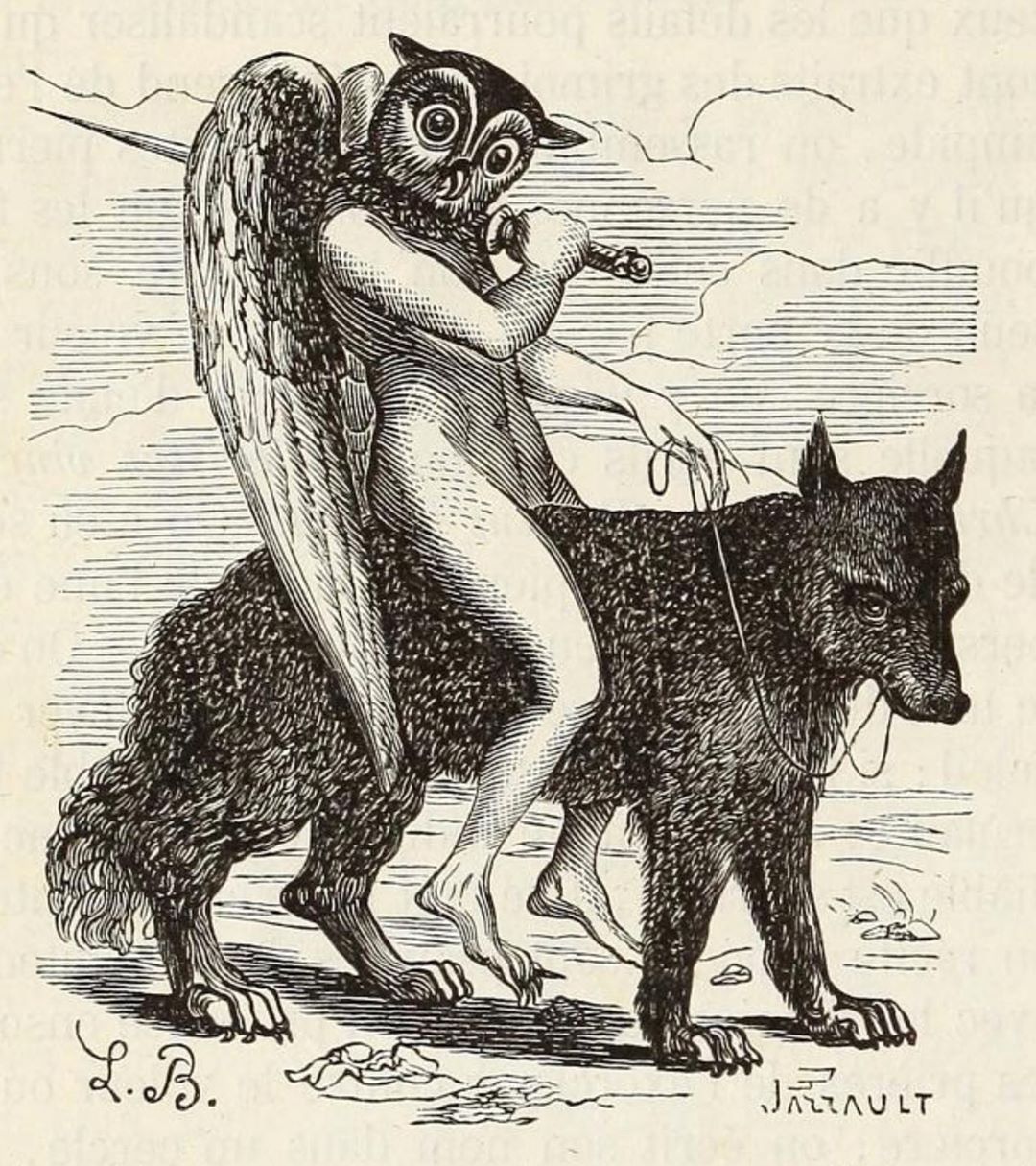
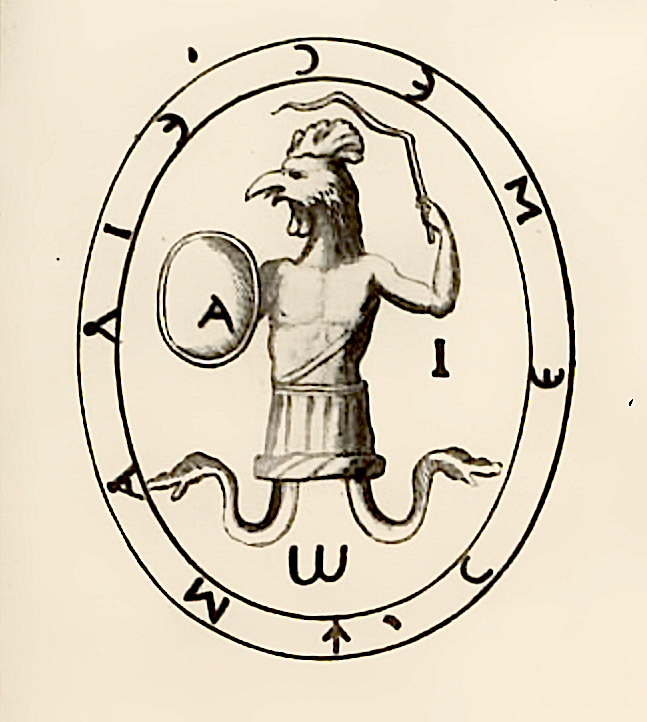
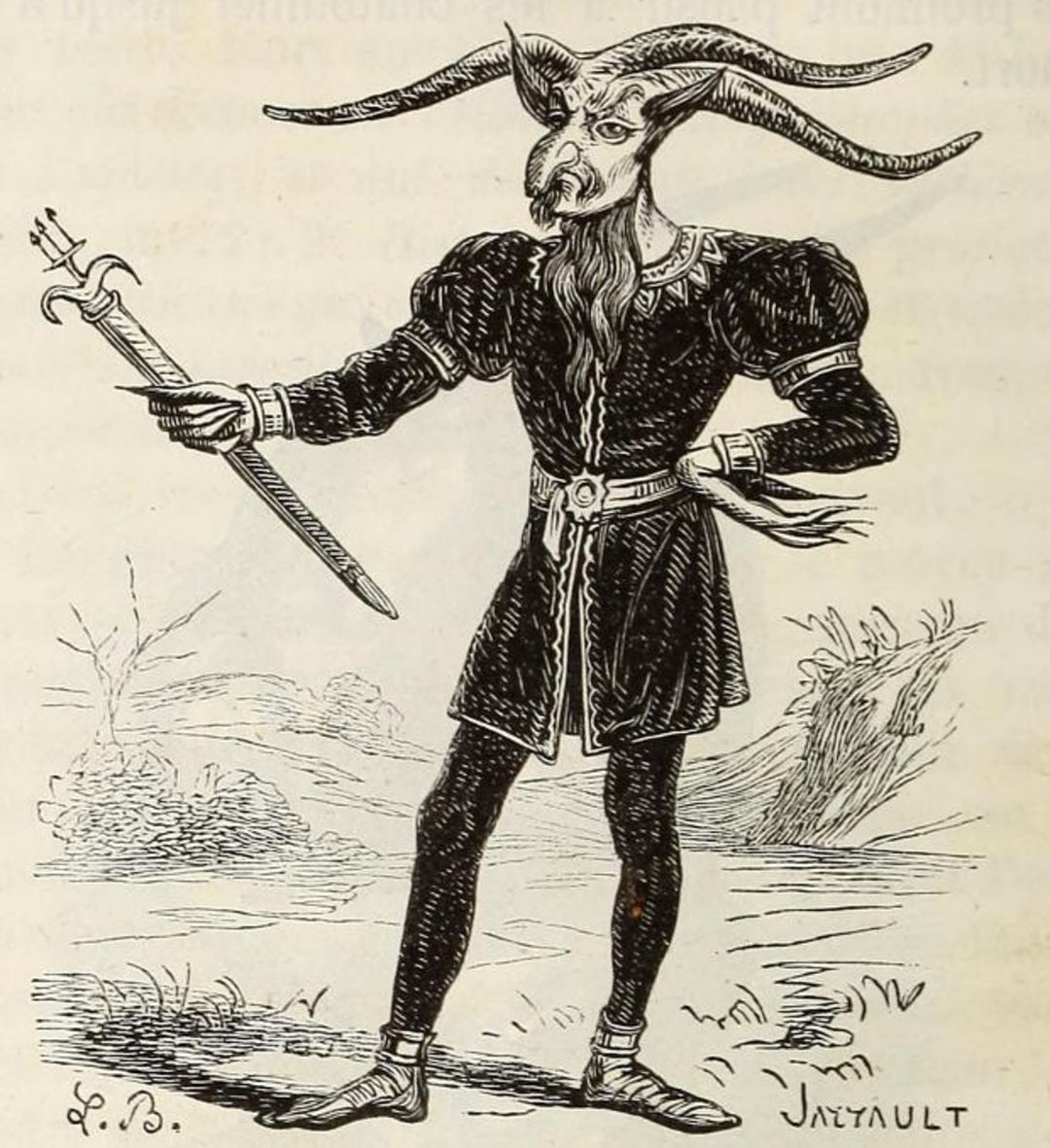
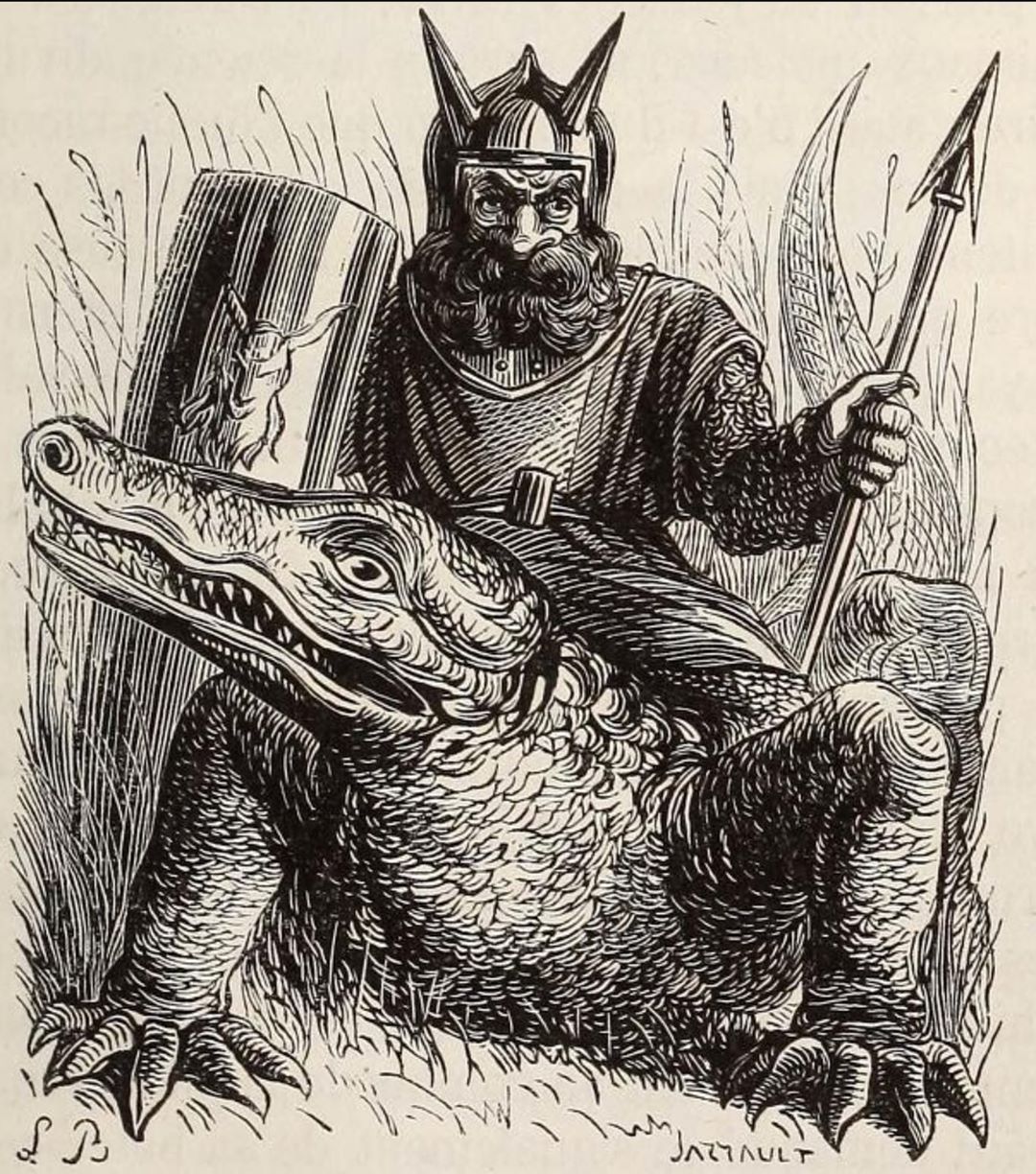
Andras is one of the 72 Spirits of Solomon. He appears as an angel with the head of a raven or owl, wielding a sword and riding a black wolf. He kills entire households, including all of their servants and teaches you the best way to kill one’s enemies. From Dictionnaire Infernal, 1863.
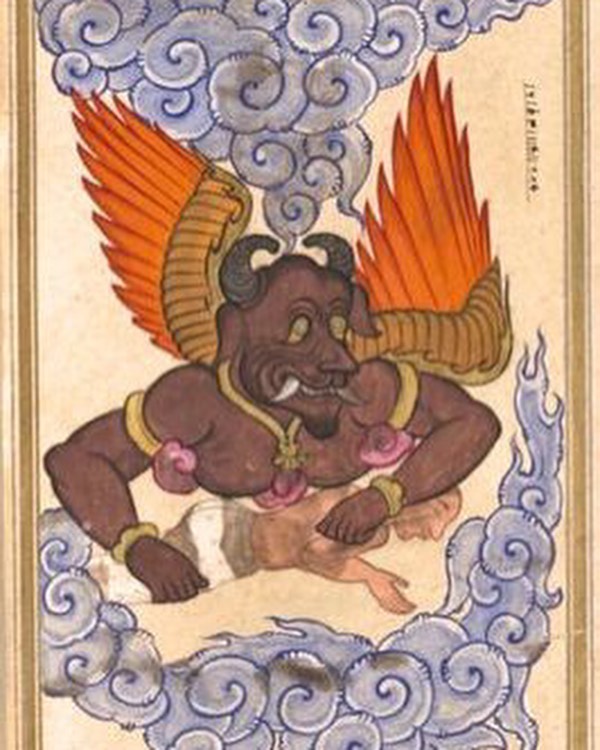
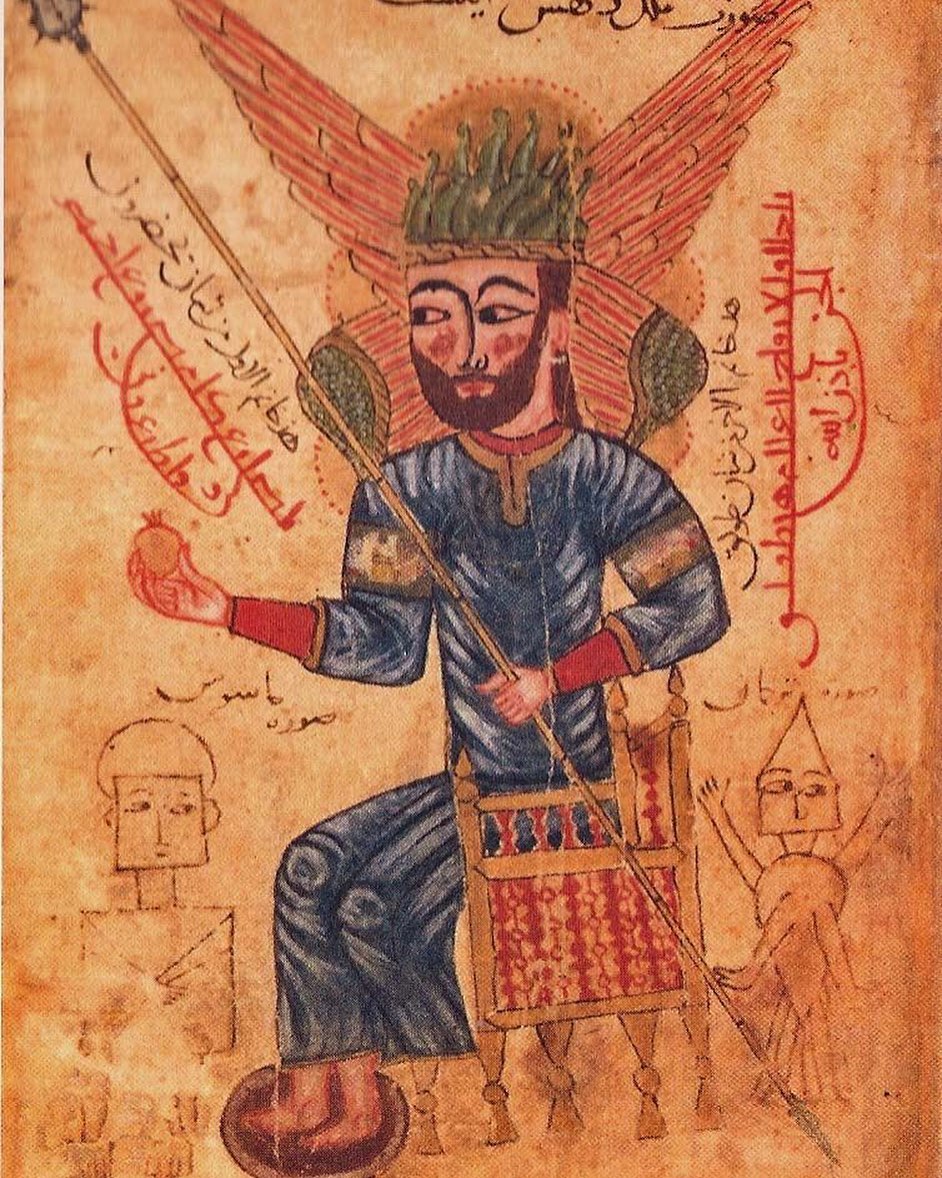
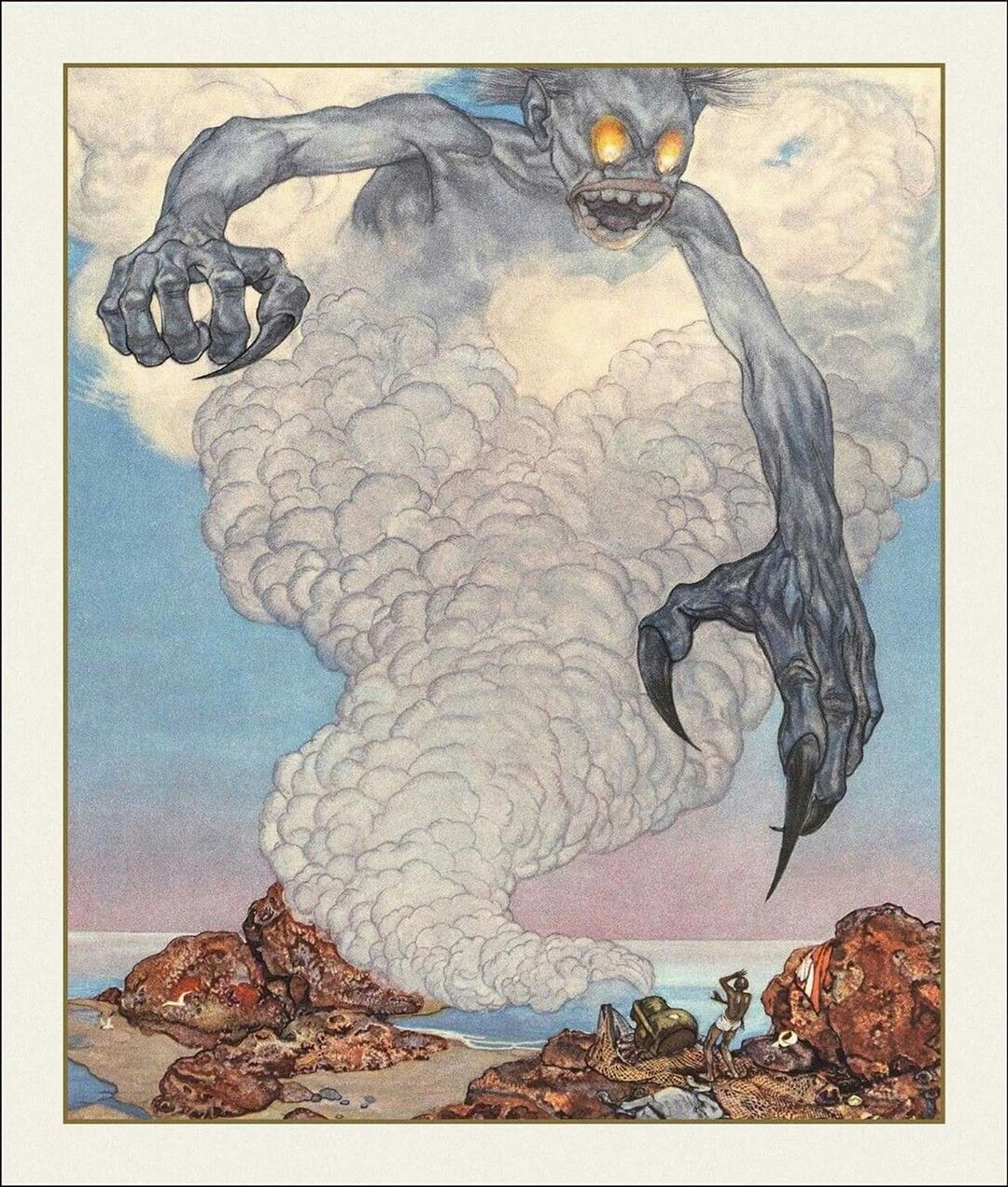
Maymun, a jinn king, is lord of Saturday (Saturn), the color black, and the metal gold. He’s the only jinn king known to have wings and is described as Maymun of the Clouds. He kidnaps humans and spreads the plague. The Book of Felicity, 1582.
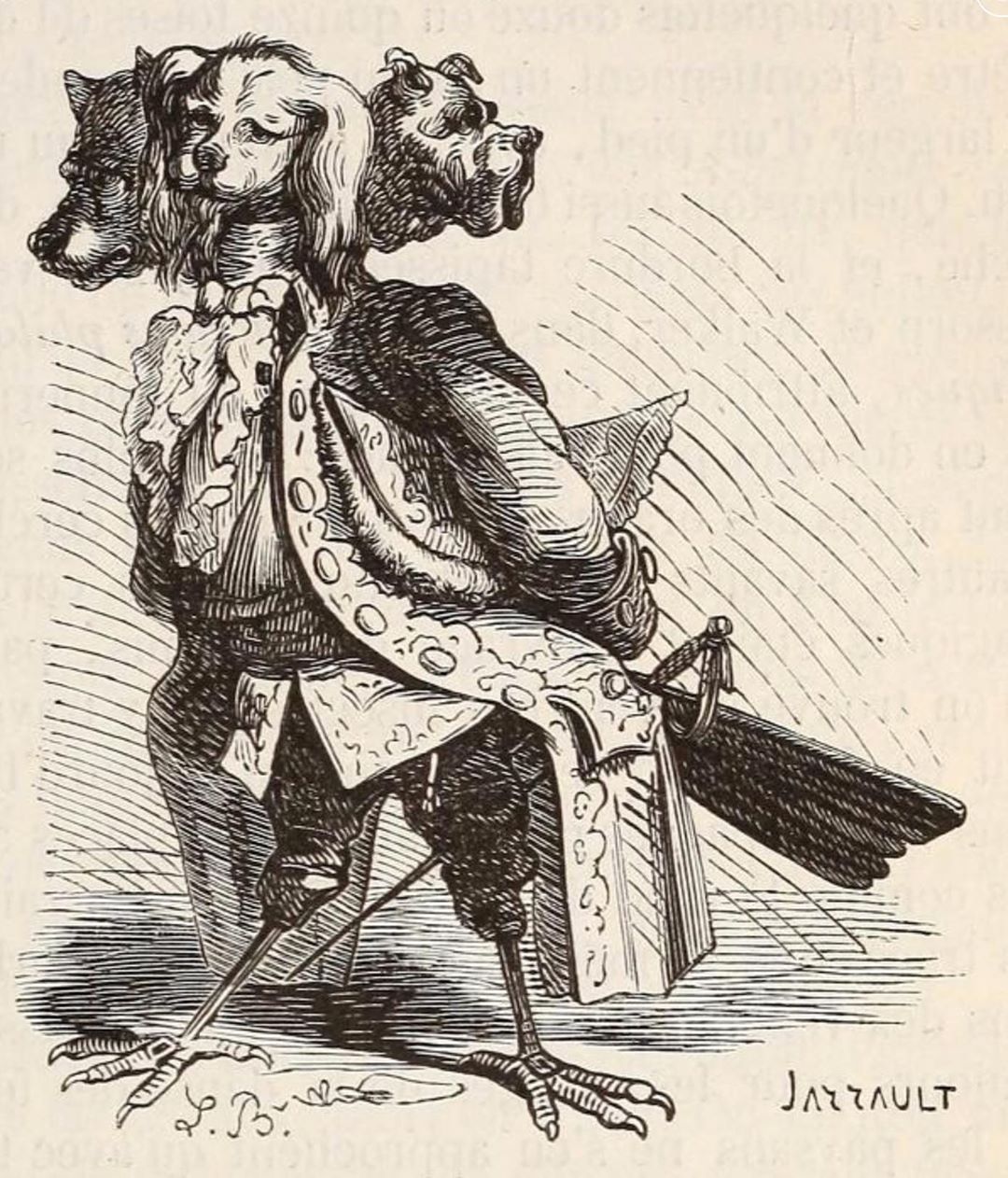
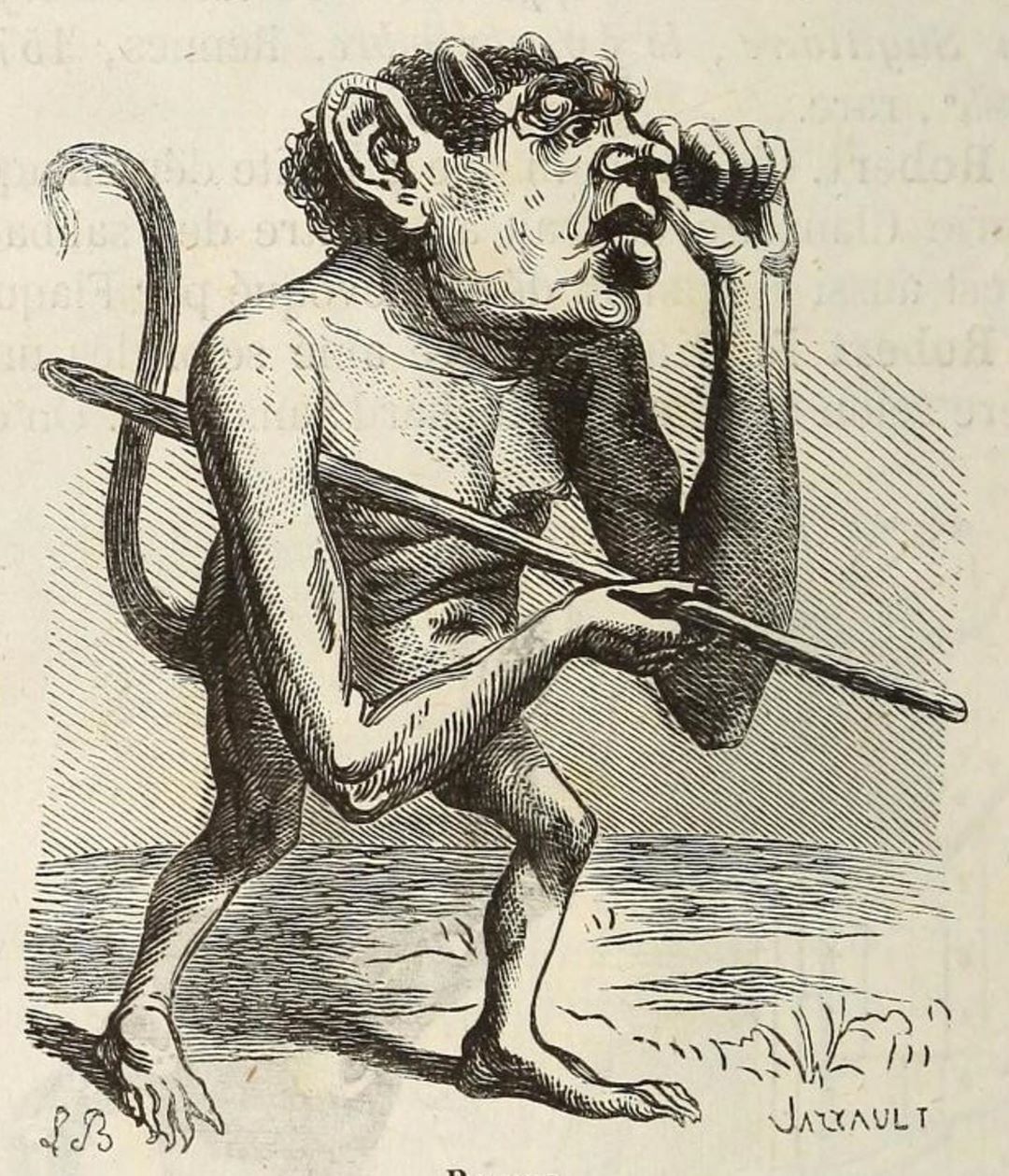
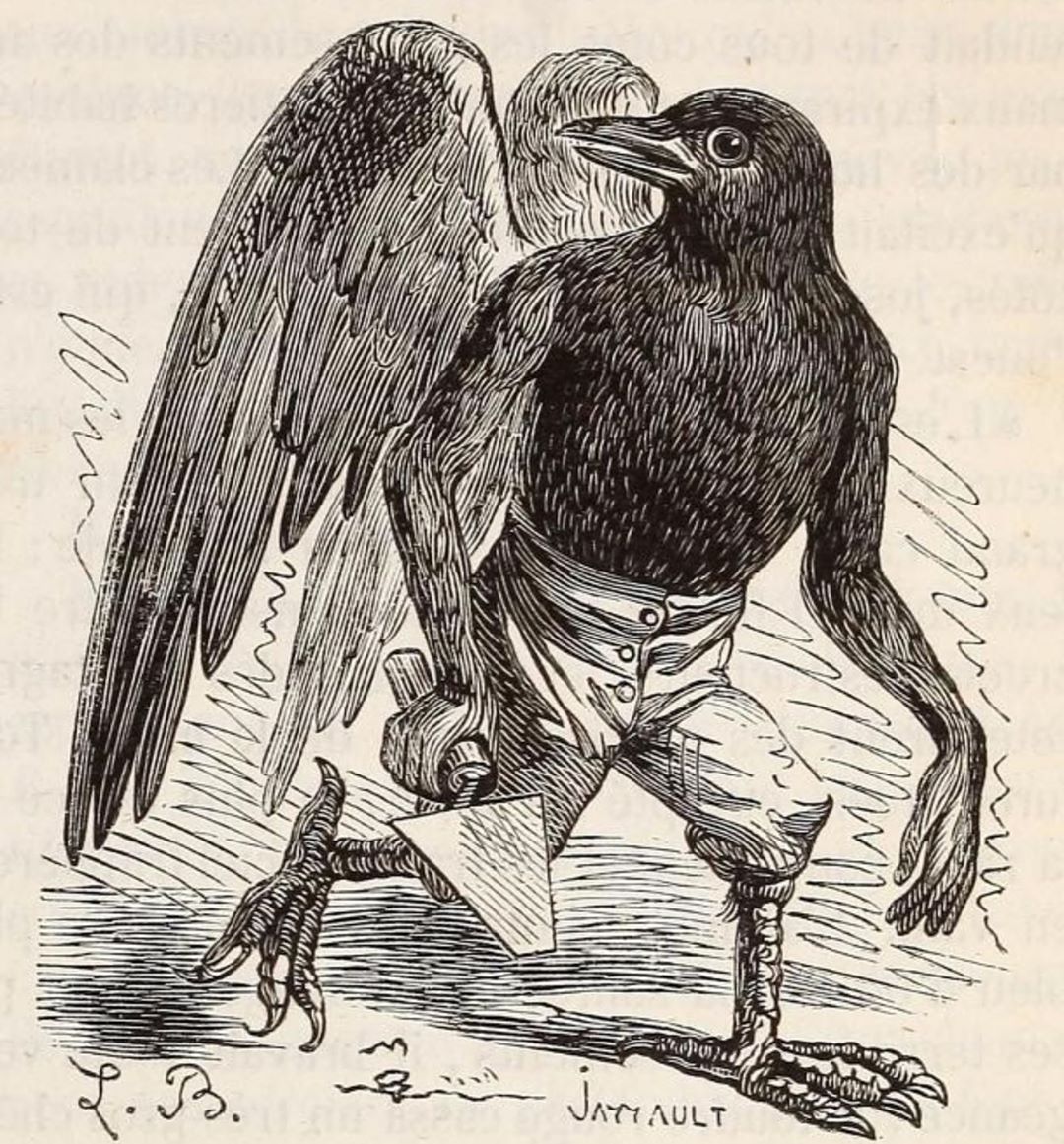
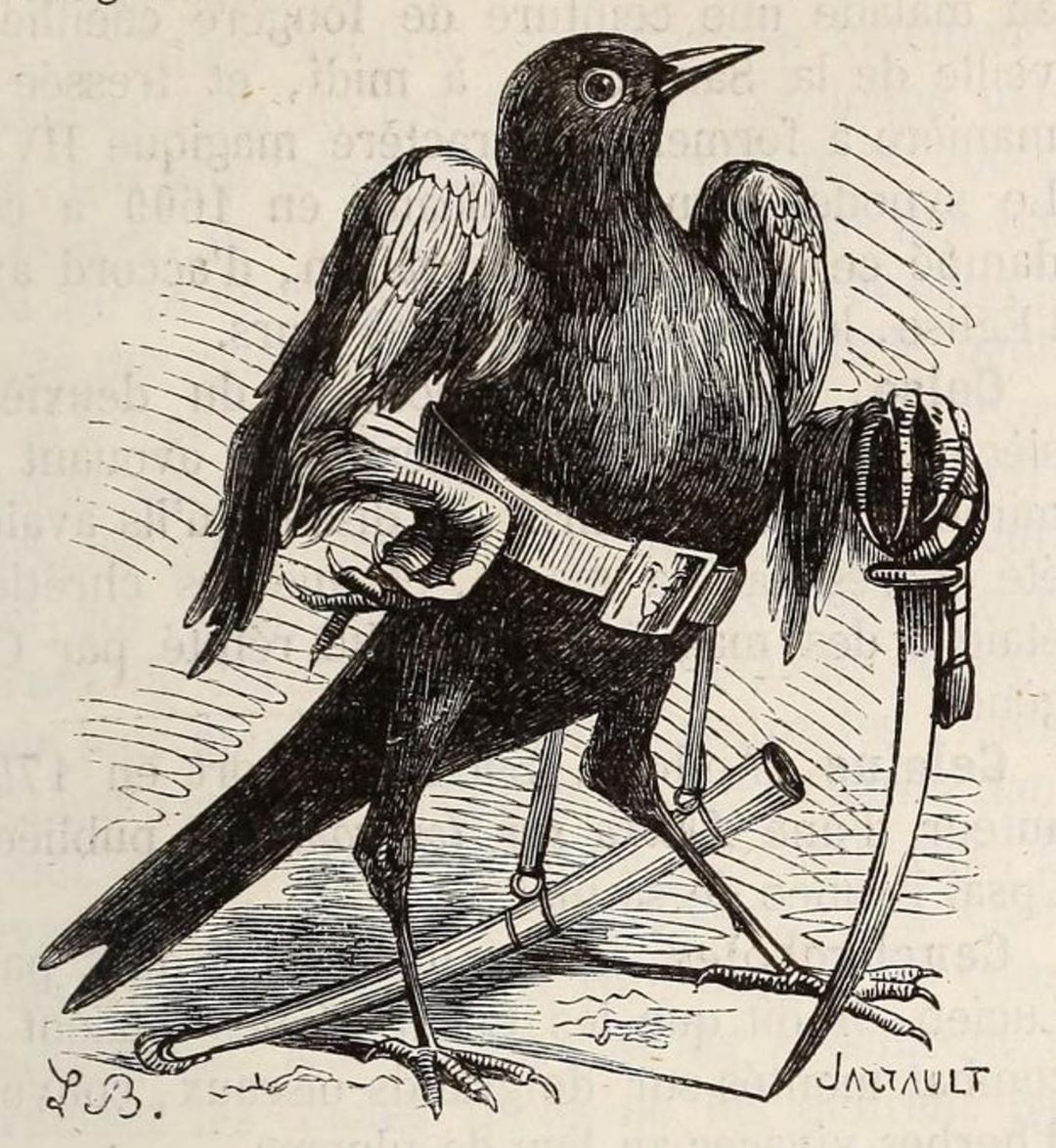
Naberius (Cerberus) guards Hades in Greek myths. As a demon, he makes people more susceptible to manipulation and sometimes appears as a crow. He gifts skill in arts and sciences (especially rhetorical) and restores lost honor. From Dictionnaire Infernal, 1863.
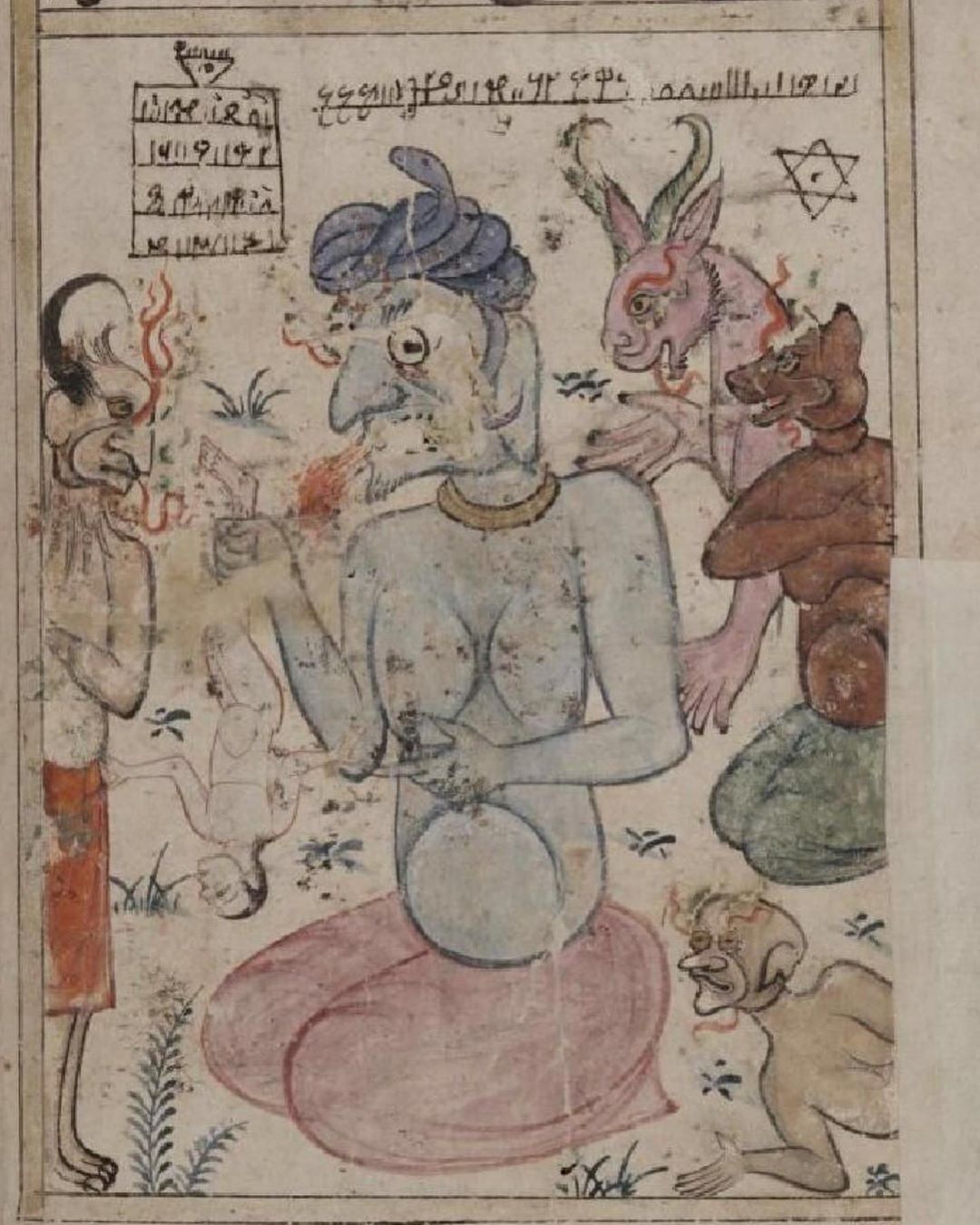
Shamhurish was the king of Jupiter, Thursday, and the color purple (though he preferred green and white fabric). After death, he left behind a son, and also a daughter who assists women who practice witchcraft. Book of Wonders, 1582. The Book of Felicity, 1582.
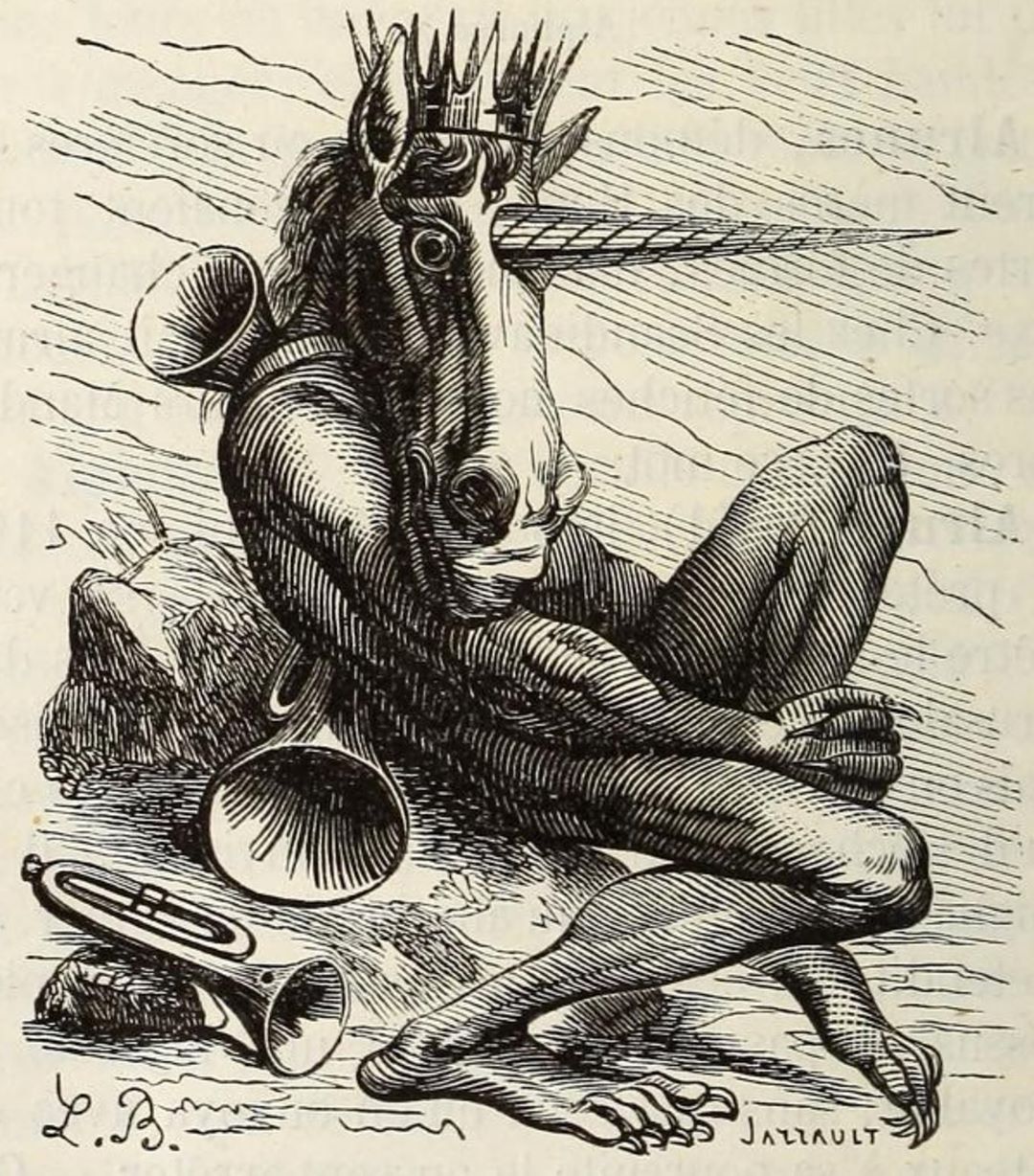
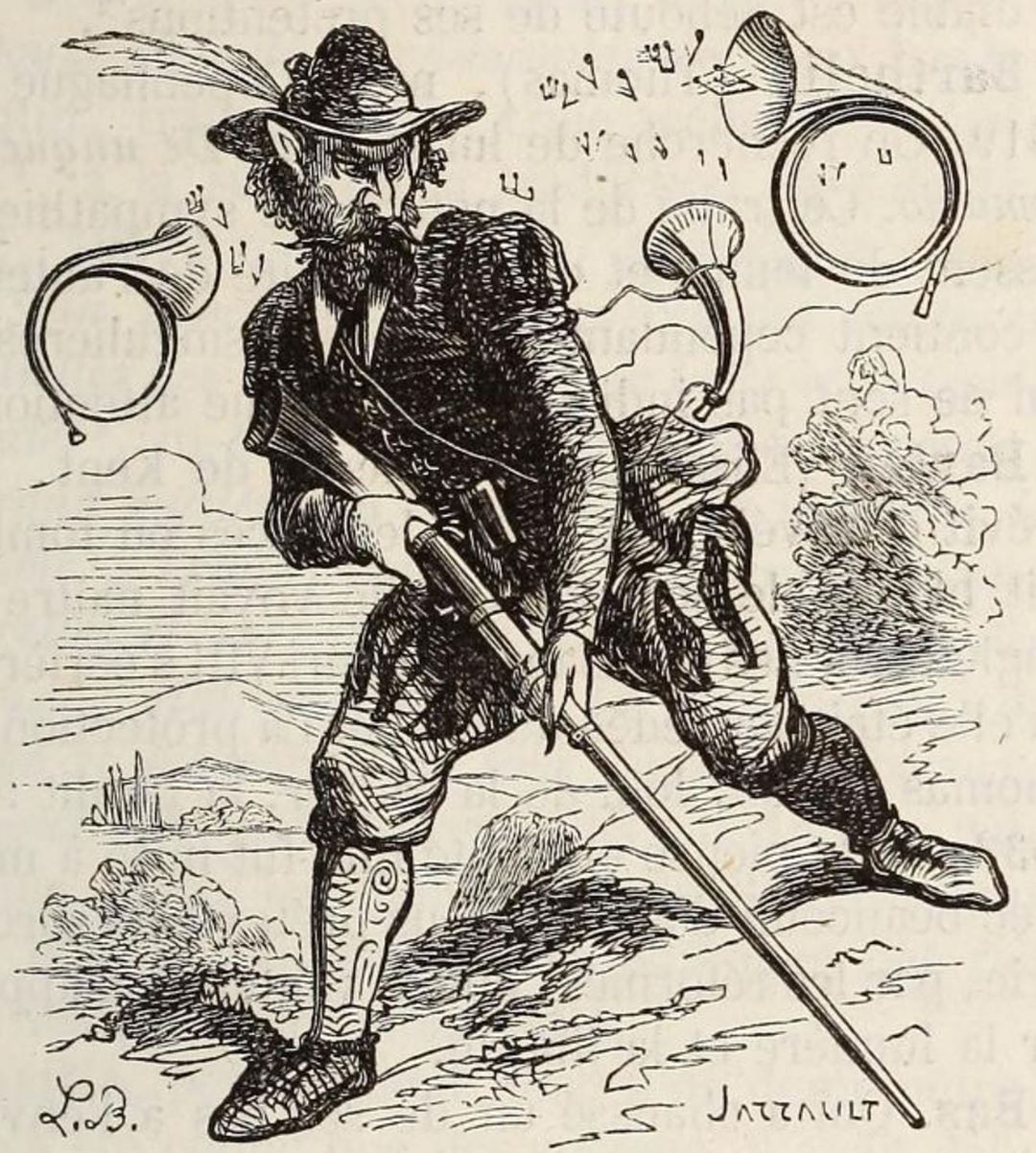
Amduscias is a unicorn demon that can summon a demonic orchestra of enchanted musical instruments that play on their own. Trees sway at the sound of his voice, and he gives people the power to make trees fall. From Dictionnaire Infernal, 1863.
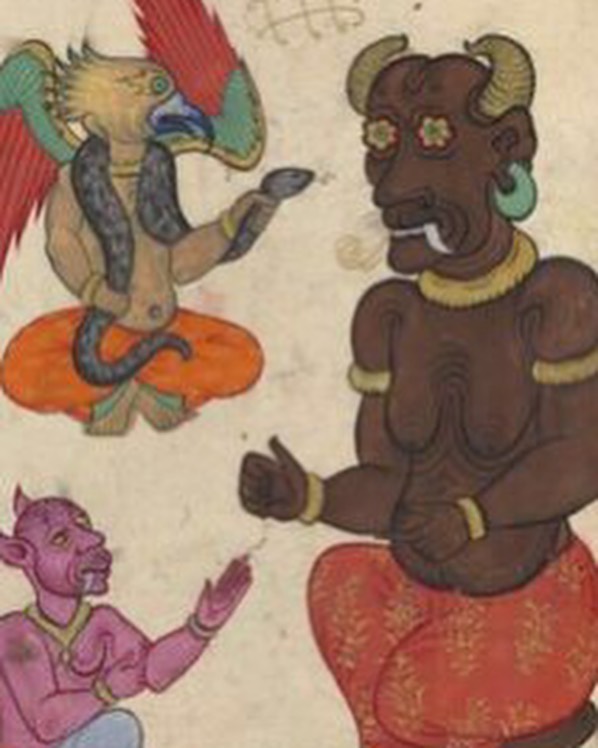
Barqan is the jinn king of Mercury, Wednesday, the color blue, and the metal brass. He ruled over five strongholds that each held 500,000 Madrid (one the most powerful types of jinn). Also known as The Black King, he teaches evil jinn magic to harm humans. Kitab Al Bulhan (The Book of Surprises), 14th century.

Al-Mudhib is a jinn king, known as the golden king and the lord of Sunday. He can be invoked with the seal of Solomon and possesses all occult knowledge including the transmutation of gold and inner workings of the sun. The Book of Felicity, 1582.
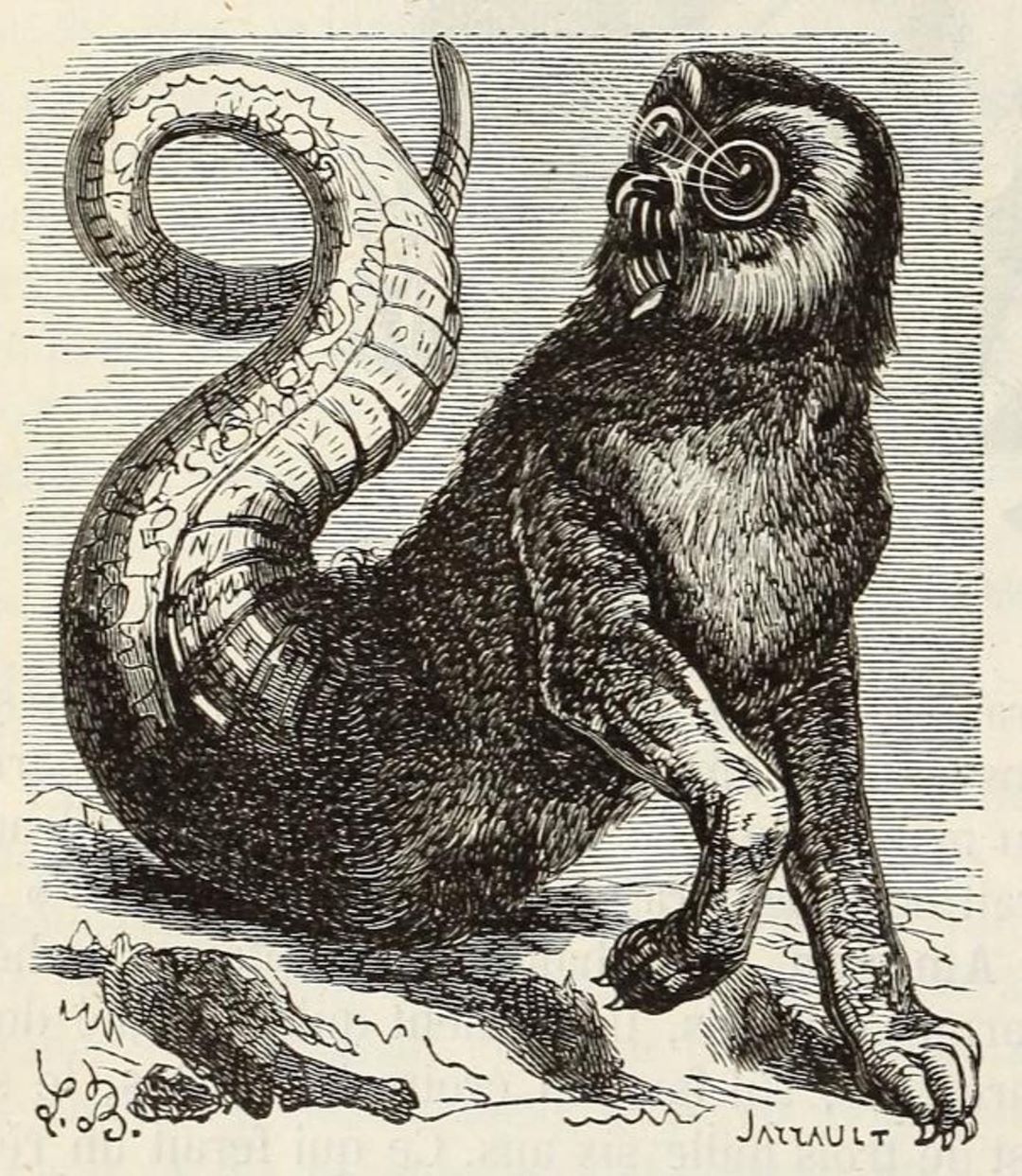
Aamon is a maquis demon that rules 40 legions of lesser demons. He vomits flames and can can tell you the past and future. He makes men and women fall in love and settles disputes between friends and enemies. From Dictionnaire Infernal, 1863.
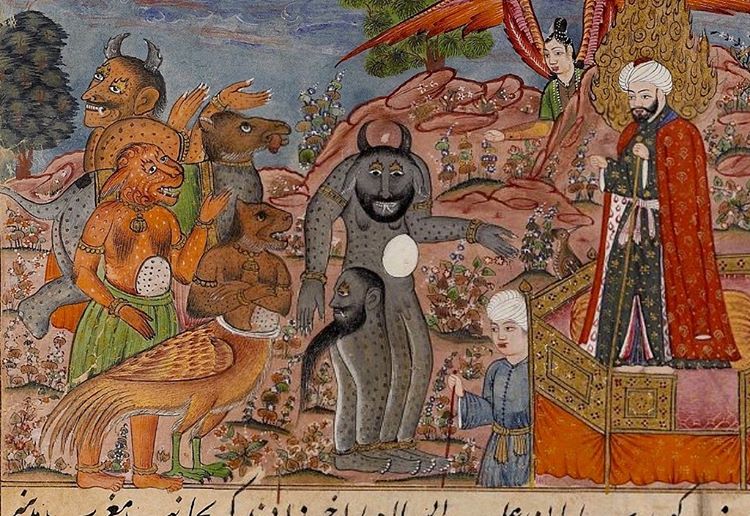
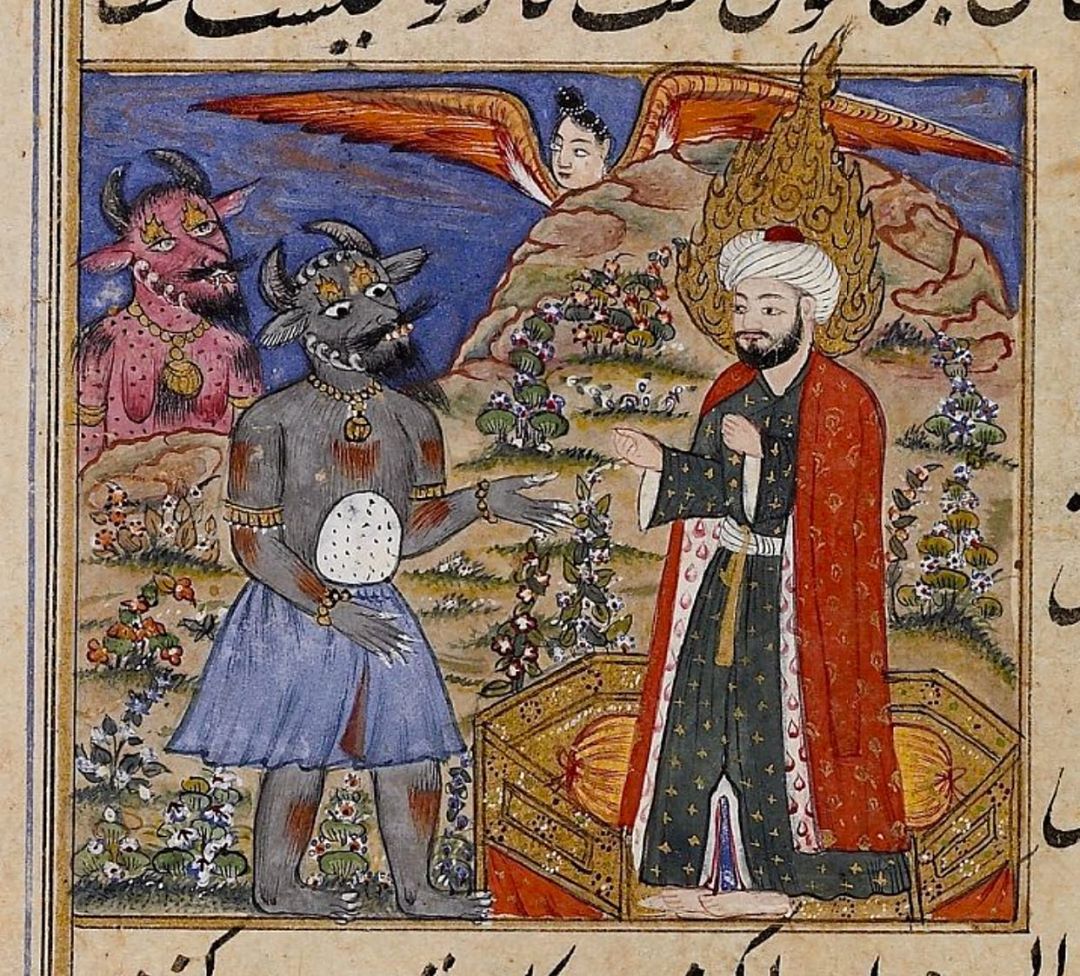
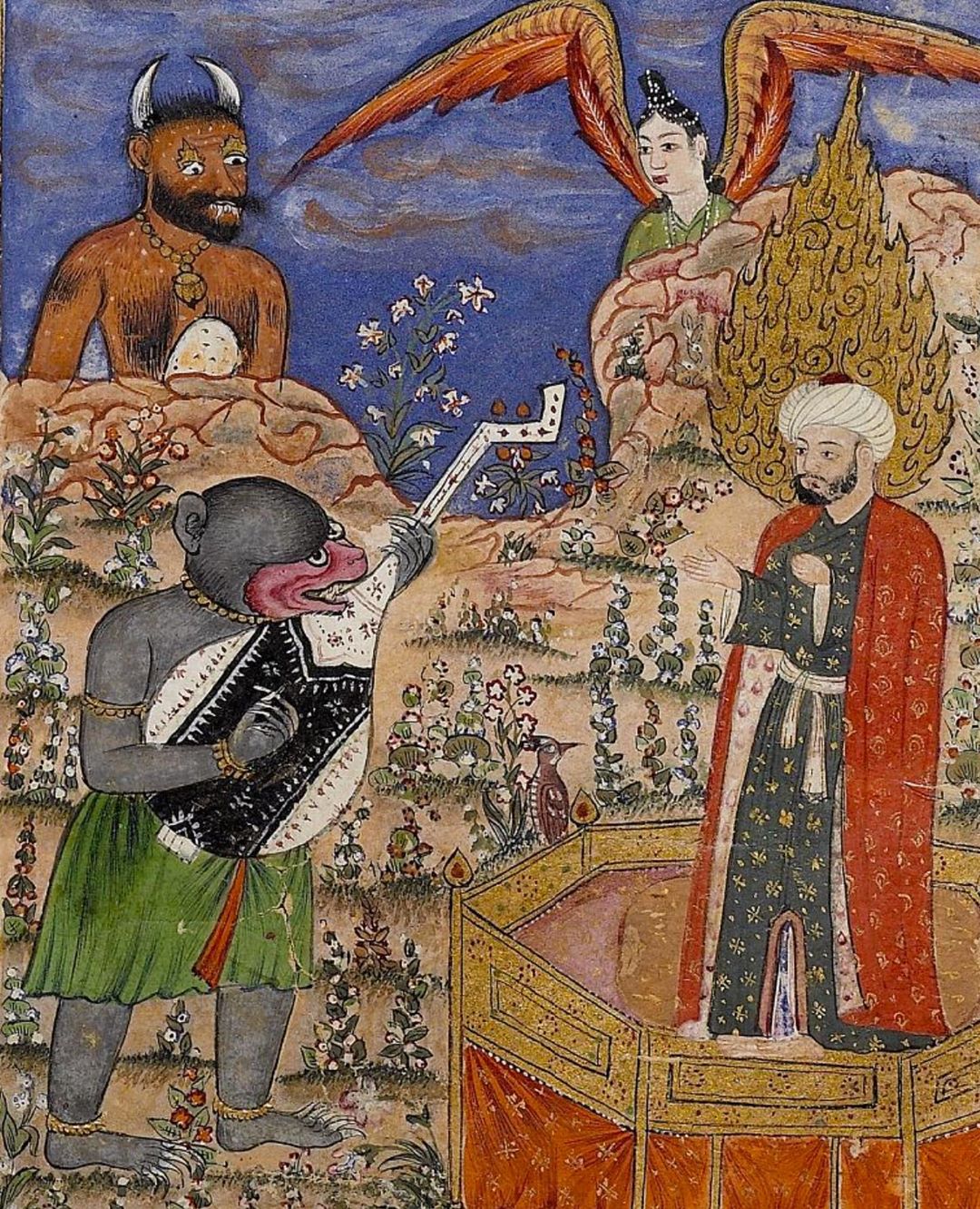
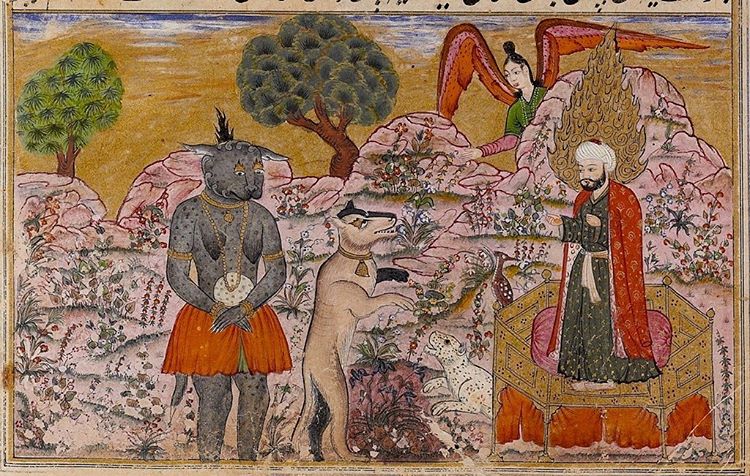
The jinn of King Solomon. In the Christian theology, the spirits that Solomon controlled to do his bidding were demons, but in Islam they were jinn. These spirits are depicted in this miniature from Things Created and Miraculous Aspects of Things Existing (Ajāʼib al-makhlūqāt wa-gharāʼib al-mawjūdāt) also known as Qazwīnī’s Book of Marvels, 18th century.